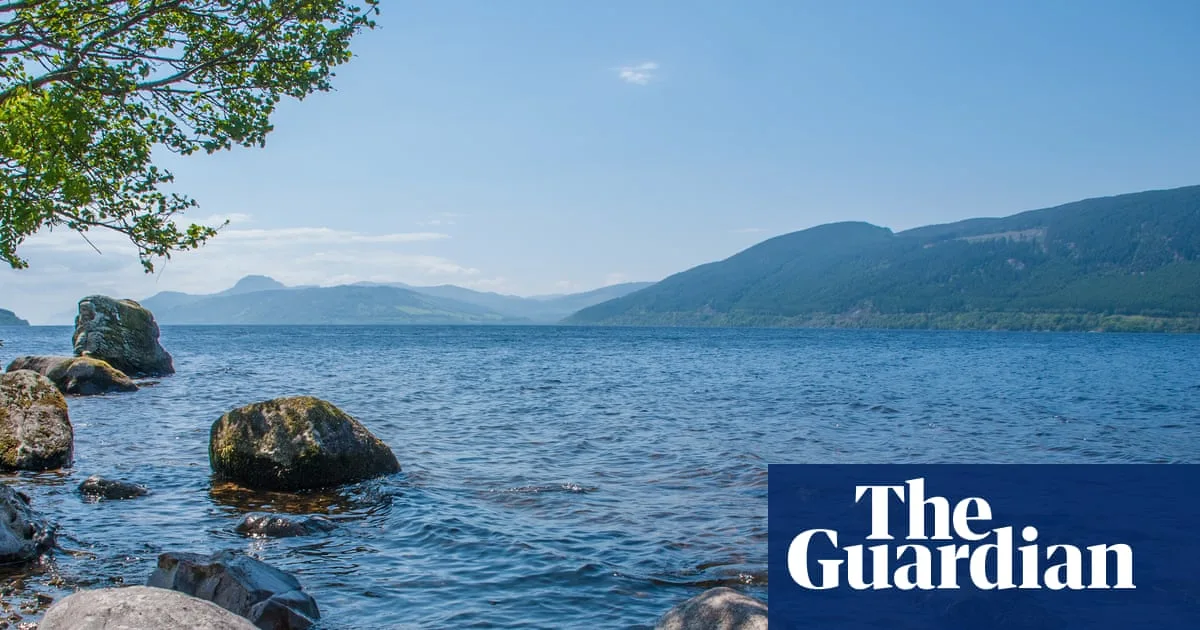
Loch Ness Hydropower Project Threatens Shoreline and Ancient Woodland
Loch Ness Hydropower Project Threatens Shoreline Woodland

Controversial Hydropower Plan at Loch Ness

A proposed hydropower project at Loch Ness in the Scottish Highlands has come under fire from environmental groups who warn it will cause irreversible damage to the shoreline and ancient woodland. The scheme, known as the Loch Ness Pumped Storage Hydro project, involves constructing a new dam and reservoir near the iconic loch, threatening a Site of Special Scientific Interest (SSSI).

Environmental Concerns Raised

According to the John Muir Trust, the project would destroy a stretch of ancient Atlantic oak woodland and damage the fragile shoreline ecosystem. The trust's policy officer, Helen McLennan, stated: "This development would cause significant and permanent harm to one of Scotland's most treasured landscapes. The ancient woodland is irreplaceable, and the shoreline provides vital habitat for rare species." The scheme also threatens protected species such as the red squirrel and golden eagle.

Details of the Project

The pumped storage hydro scheme, proposed by Norwegian company Statkraft, would involve building a 1.3km-long dam and a reservoir capable of powering up to 300,000 homes. The project is part of Scotland's push for renewable energy, but critics argue it comes at too high a cost. The site sits within the Loch Ness and Duntelchaig SSSI, designated for its ancient woodland and geological features.

Wide Pickt banner — collaborative shopping lists app for Telegram, phone mockup with grocery list

Impact on Ancient Woodland

The ancient Atlantic oak woodland, which has existed for centuries, would be partially flooded and cleared. These woodlands are rare and support a unique biodiversity, including rare lichens and mosses. The John Muir Trust estimates that over 100 hectares of this habitat could be lost. The trust has called for alternative locations that avoid such sensitive areas.

Regulatory and Community Response

Scottish ministers are currently reviewing the application. The Scottish Government has committed to net-zero emissions by 2045 but also pledges to protect natural heritage. Local community groups have expressed mixed feelings, with some supporting the jobs and energy benefits, while others oppose the environmental destruction. A public consultation is ongoing until September.

Broader Implications for Renewable Energy

This case highlights the tension between renewable energy development and conservation. While pumped storage hydro is crucial for balancing intermittent renewables like wind and solar, siting such projects in ecologically sensitive areas poses a dilemma. The John Muir Trust urges developers to prioritize brownfield sites or degraded land instead of pristine habitats.

Pickt after-article banner — collaborative shopping lists app with family illustration




