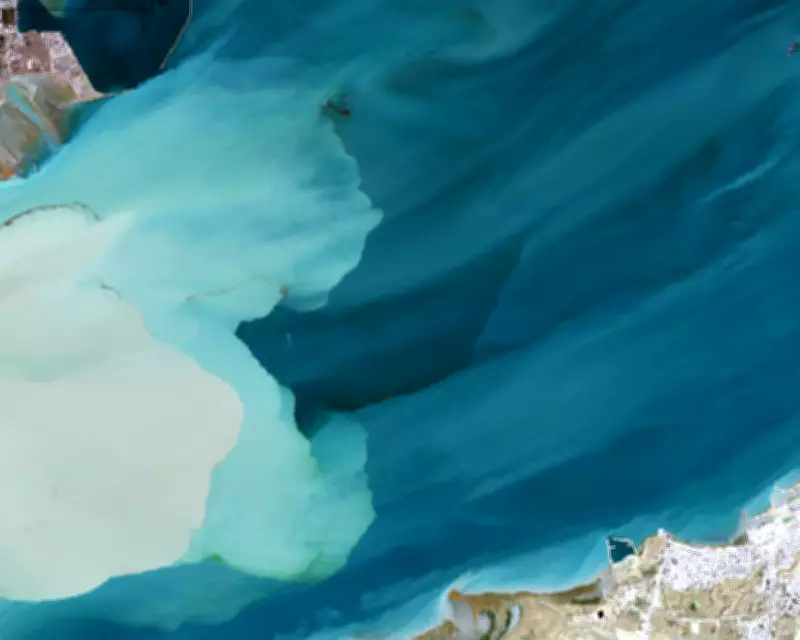
Iranian Oil Tanker Shahid Bagheri Spills Crude in Hara Wetland
An Iranian oil tanker, identified as the Shahid Bagheri, has experienced a significant leak, releasing crude oil into the Hara Wetland, a vital ecological area in Iran. The incident, which occurred recently, has resulted in a substantial oil slick spreading across the wetland's waters, posing a severe threat to local wildlife and plant life.
Environmental Impact and Immediate Concerns
The spill has caused extensive environmental damage, with the oil contaminating the wetland's delicate ecosystem. Authorities report that the slick is affecting numerous species, including birds, fish, and aquatic plants, many of which are already vulnerable or endangered. The Hara Wetland is known for its rich biodiversity, and this incident could have long-lasting effects on its ecological balance.
Local environmental groups have expressed alarm, highlighting the potential for irreversible harm to the area's natural habitats. Cleanup efforts are underway, but challenges include the wetland's remote location and the complexity of removing oil from such a sensitive environment. Experts warn that the spill could lead to water pollution, soil degradation, and a decline in wildlife populations if not addressed promptly.

Response and Investigation
Iranian officials have launched an investigation into the cause of the leak, with initial reports suggesting possible equipment failure or human error on the Shahid Bagheri. The tanker was reportedly carrying a large quantity of crude oil at the time of the incident, though exact figures have not been disclosed. Emergency teams are working to contain the spill and mitigate its impact, deploying booms and skimmers to limit the spread of oil.
However, response efforts are hampered by logistical issues, including limited access to the wetland and a shortage of specialized cleanup equipment. International environmental organizations have offered assistance, but it remains unclear if Iran will accept external help. The incident has sparked calls for stricter regulations on oil transport in ecologically sensitive areas to prevent future spills.
Broader Implications and Future Risks
This oil spill underscores the ongoing risks associated with oil transportation, particularly in regions with fragile ecosystems like wetlands. The Hara Wetland incident serves as a stark reminder of the need for enhanced safety measures and emergency preparedness in the oil industry. Environmental advocates argue that such events highlight the importance of transitioning to renewable energy sources to reduce dependence on fossil fuels and minimize ecological disasters.
In the short term, monitoring of the wetland's health will be crucial to assess the full extent of the damage. Long-term recovery efforts may involve habitat restoration and wildlife rehabilitation programs. The spill also raises questions about Iran's environmental policies and its commitment to protecting natural resources amid economic pressures.
As cleanup continues, the focus remains on minimizing harm to the Hara Wetland and preventing similar incidents in the future. The Shahid Bagheri spill is a cautionary tale for oil-producing nations worldwide, emphasizing the delicate balance between industrial activity and environmental preservation.