
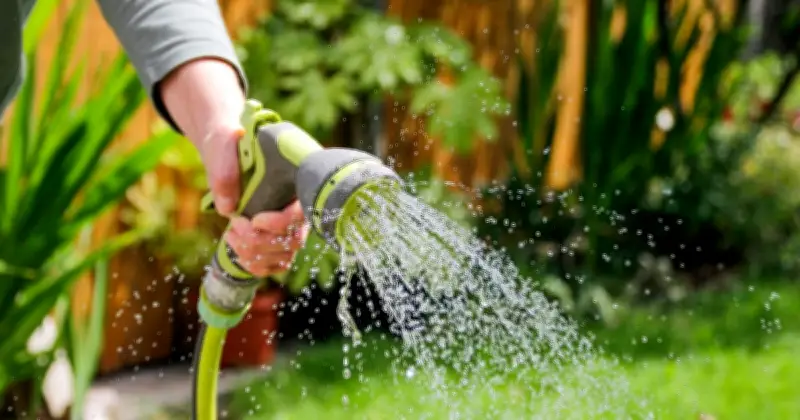
Southern Water has confirmed a hosepipe ban affecting approximately one million customers across Hampshire and the Isle of Wight, with the restriction taking effect from July 10 and potentially lasting until autumn if rainfall does not improve river levels.
What the Ban Entails
From July 10, residents in affected areas are prohibited from using hosepipes to water plants, clean cars, fill paddling pools, or any other non-essential water use. Instead, watering cans or buckets should be used. The ban, officially a Temporary Use Ban, is designed to protect local rivers and maintain water supply.
Reasons for the Ban
Southern Water stated: “The warmest spring on record, followed by a record-breaking heatwave, has left river levels 25% lower than expected for this time of year. The River Test has lost a third of its water within the last month, putting pressure on our ability to treat and supply your water.”
In June, a heatwave pushed temperatures to a record 37.3°C in Santon Downham, Suffolk, on June 26. River levels across the southeast have dropped significantly below normal for this time of year.
Impact on Residents and Environment
Paul Vignaux, executive director of the Test and Itchen Association, explained: “We have no reservoirs here and all the water comes from the river or from the aquifer. And effectively, if you take water from our rivers and aquifers, you're taking water from nature.”
Residents have been urged to stop using hosepipes immediately to avoid further pressure on the water network. The ban could remain in place until September if there is no substantial rainfall.
Background on Hosepipe Bans
A hosepipe ban, or Temporary Use Ban, typically occurs during prolonged dry spells or periods of low rainfall. It prohibits the use of hosepipes connected to mains water supply for non-essential purposes, helping to conserve water for essential needs and protect the environment.




