
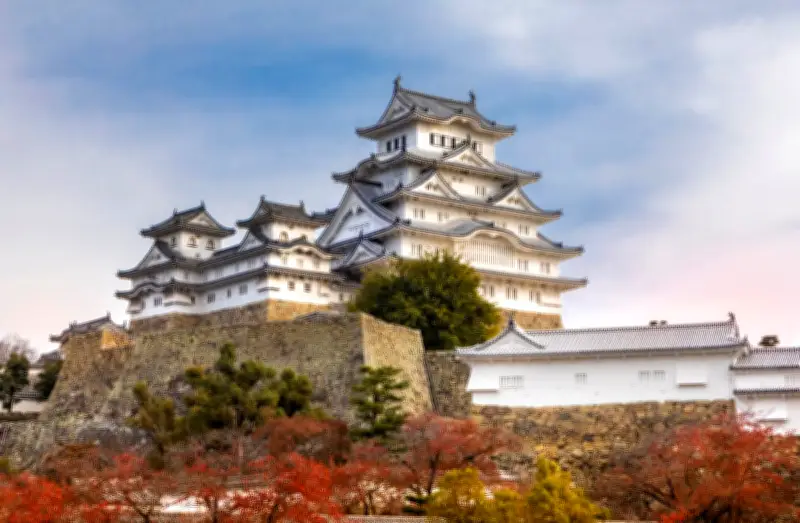
Japan's iconic Himeji Castle, a UNESCO World Heritage site, doubled its admission fee for non-residents to 2,500 yen ($15.50) on 1 March, while keeping the price for city residents at 1,000 yen ($6.20). In the first month, visitor numbers dropped 17%, roughly in line with expectations, but ticket revenue more than doubled, according to Kensuke Tsushi of the castle's management bureau.
Dual Pricing as a Strategy
The move is part of a broader Japanese strategy to manage overtourism while meeting ambitious targets to attract 60 million overseas visitors annually by 2030. Many attractions are adopting two-tier pricing, charging non-residents more to cover increased maintenance costs and reduce congestion. At Himeji, overseas visitors reached 547,000 last year, up from 387,000 in 2018, and the castle's 10-year plan forecasts 1.2 million annually, raising wear-and-tear concerns.
Tsushi noted that complaints mostly come from Japanese visitors outside Himeji, who argue the castle receives national tax money. “We just explain our reasoning and try to get them to understand,” he said. The system is often called 'dual pricing,' but Tsushi frames it as a flat fee with a local discount.
Overtourism Concerns Across Japan
Japan saw overseas visitor numbers exceed 42 million last year, up from 10 million in 2013. Spending by foreign tourists grew 16% in 2025 to a record 9.5 trillion yen ($59 billion). However, congestion in Tokyo, Kyoto, and other hotspots has led to complaints about littering, anti-social behaviour, and crowded public transport. Kyoto is considering raising bus fares for non-residents, while the Agency for Cultural Affairs plans higher admission for overseas tourists at state-run museums.
Japan is also tripling the departure tax to 3,000 yen ($18.55) and raising visa fees fivefold to 15,000 yen ($93). The Japan Tourism Agency increased its budget by over 700% to 10 billion yen ($62 million) for countermeasures including AI crowd-detection cameras, booking caps, and smart bins.
Regional Examples and Public Opinion
In Nagano, resident Yoko Fujihara notes that charging non-residents more for ski passes and onsen hot springs is common. “It’s fine for others to pay more when they visit,” she said. Junglia Okinawa, a nature-experience theme park, charges 6,930 yen ($43) for Japan residents versus 8,800 yen ($54.45) for others. However, some tourists dislike the practice. Lauren Kelly, a Briton based in Bangkok, called it “quite segregating,” especially in a mature economy like Japan's.
Two-tier pricing is widespread in Asia, including at India's Taj Mahal and Cambodia's Angkor Wat, where foreigners pay significantly more. In Europe, Paris's Louvre raised entry for non-EEA residents by 45% to €32 ($36.40) in January.
Fujihara acknowledges the economic boost from foreign tourism but worries about higher prices affecting Japanese locals. “Of course, I want people to come and enjoy Japan,” she said.




