
Health Specialist Issues Warning on Medication During UK Heatwave
A health specialist has urged millions of people on common medications to take extra precautions during the UK heatwave, as extreme temperatures can render drugs ineffective. Rhysa Phommachanh, Health Specialist at Landys Chemist, warned that insulin, inhalers, antidepressants, and other medicines are at risk as temperatures are set to hit 40C in parts of England and Wales.
The Met Office has issued a rare red extreme heat weather warning, and the UK Health Security Agency (UKHSA) has declared a red heat health alert. Households are being advised to take precautions, as the scorching conditions can severely impact even the healthiest individuals. For those on medication, the risks are heightened.
Insulin Degraded by Heat
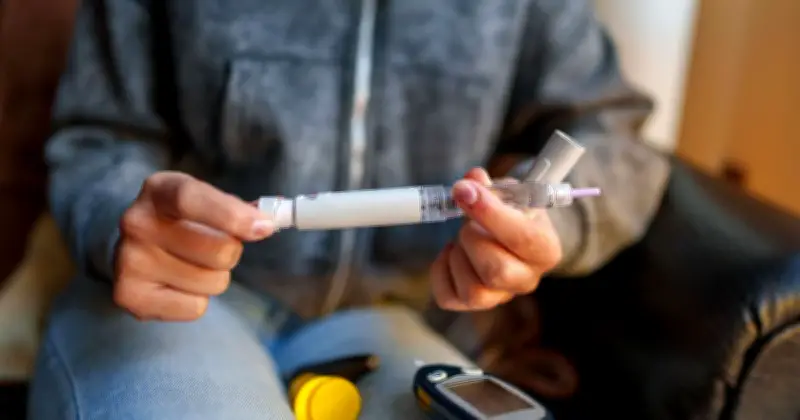
Insulin can become less effective if exposed to high temperatures, as heat degrades the medication and reduces its ability to control blood sugar levels properly. This poses a serious risk for diabetics who rely on insulin to manage their condition.
Inhalers and Asthma Medication Affected
Asthma inhalers are also vulnerable. Heat can cause pressure changes inside the canister, altering how the medication is released and potentially reducing dosing accuracy. Patients may not receive the full dose needed to manage an asthma attack.
Antidepressants Increase Overheating Risk
Some antidepressants can interfere with the brain’s regulation of body temperature and sweating, increasing the risk of overheating or heat exhaustion. Users should be aware of this added danger during the heatwave.
Other Medications at Risk
Ms Phommachanh also warned about antihistamines, commonly used for allergies like hay fever. These can have a drying effect on the body and may reduce sweating, which limits the body’s ability to cool itself effectively in high temperatures.
EpiPens, used for severe allergic reactions, become less stable if stored above 25C. This can reduce the reliability of a dose in a life-threatening situation, making proper storage critical.
Storage Advice from the Specialist
Ms Phommachanh advised: “Most medications should be stored in a cool, dry place. Exposing them to high temperatures in parked cars, direct sunlight, or humid bathrooms can cause them to degrade and fail to work properly. Always check your patient information leaflet for specific storage instructions, stay well hydrated, apply high-factor sunscreen, and definitely speak to a pharmacist if your medicine changes colour, smell, or texture.”
The specialist emphasised the importance of checking medication leaflets for specific storage instructions, as conditions vary by drug. She also urged people to stay hydrated and protect themselves from the sun.




