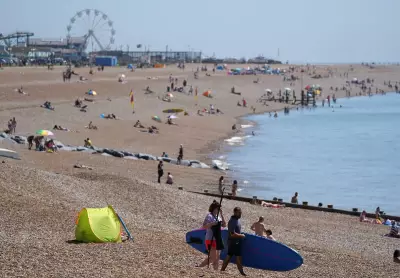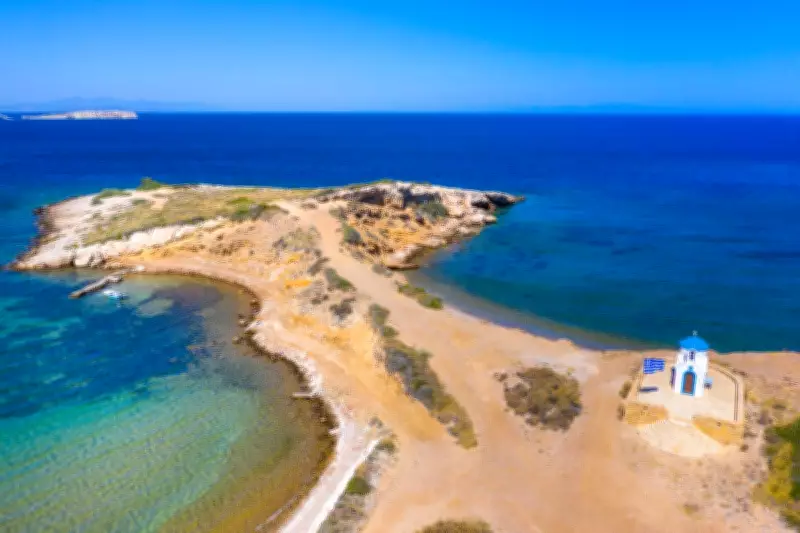
Greece has expanded its initiative to protect its natural coastline by increasing the number of beaches where sun loungers, loud music, and watersports are prohibited. The country now designates 250 beaches as “untouched,” up from previous numbers, according to a joint statement from Greece’s financial and environmental ministries this week.
What Does 'Untouched Beach' Status Mean?
An “untouched” beach designation imposes restrictions on commercial activities to safeguard the environment, while still allowing public access. Businesses are banned from placing furniture such as umbrellas, tables, or chairs on the sand for commercial use. Additionally, watersports equipment rentals—including pedalos, jet skis, and kayaks—are prohibited. However, mobile or trailer-mounted refreshment stands may continue to operate, selling drinks and snacks to visitors.
The ministries clarified that existing contracts on the foreshore and beach remain valid until they expire.

Additional Restrictions
Events with more than 10 people are banned, as is the use of large-scale sound amplification equipment. Driving cars on the sand is also prohibited. These measures are designed to preserve habitats and protect species of flora and fauna, the ministries stated.
Selection Criteria and Locations
Beaches are chosen for their unique landscapes, scientific value, and ecological importance. The protected beaches span across mainland Greece and its islands, including Symi, Naxos, Sifnos, Tilos, Rhodes, Corfu, Lefkada, Kissamos in Crete, and many others.
Leipsoi, a Dodecanese island, now boasts one of the most protected shorelines in Greece, with 23 “untouched beaches”—the highest number of any municipality.