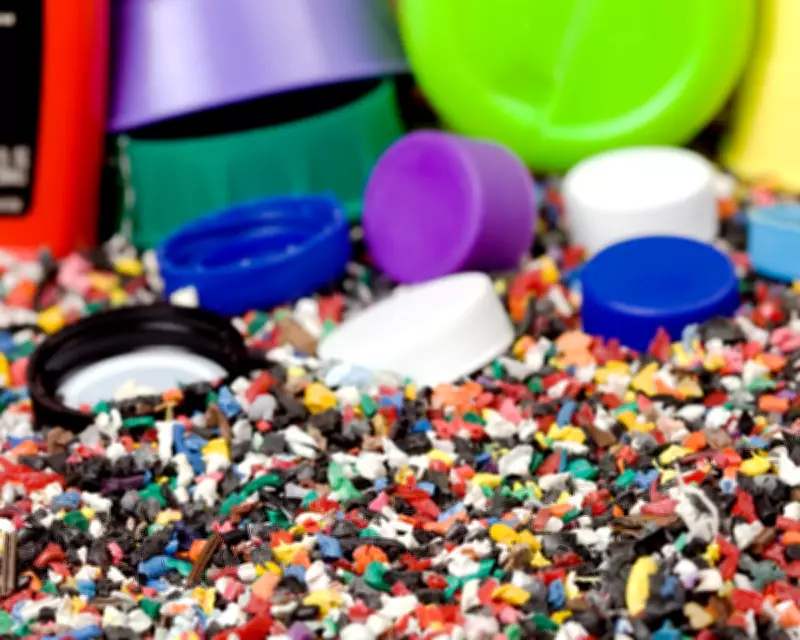
The European Union's new regulation mandating that plastic bottle caps remain attached to their containers has sparked a heated debate. While designed to curb littering and improve recycling, the measure has drawn criticism from consumers and industry alike.
Environmental Intentions Behind the Rule
The regulation, which came into effect on May 31, 2026, requires all plastic beverage bottles up to three liters to have caps tethered to the bottle. The EU argues that this will prevent caps from being discarded separately, reducing plastic pollution in oceans and landfills. According to the European Commission, loose caps are among the top ten littered items found on European beaches.
Industry and Consumer Reactions
However, the implementation has been met with frustration. Consumers complain that the attached caps make drinking difficult, often causing spills or hitting the nose. Beverage companies have had to redesign packaging, incurring significant costs. Some smaller producers warn that the regulation could lead to increased plastic use, as tethered caps require more material.

Environmental groups, while supportive of the goal, acknowledge that the transition has been bumpy. They emphasize that the long-term benefits of reduced litter and improved recycling rates will outweigh initial inconveniences. The EU has stated it will monitor the regulation's impact and consider adjustments if necessary.
Broader Implications for Plastic Waste
The bottle cap rule is part of the EU's Single-Use Plastics Directive, which aims to reduce plastic waste by 50% by 2030. Similar measures have been adopted in other regions, including the UK, which implemented its own tethered cap requirements in 2025. Critics argue that such regulations are piecemeal and that a more comprehensive approach to plastic reduction is needed.
As the debate continues, one thing is clear: the humble bottle cap has become an unexpected flashpoint in the fight against plastic pollution.