New Economic Superpower Emerges to Drive Global Fossil Fuel Phase-Out
Economic Superpower Forms to Phase Out Fossil Fuels Globally

A New Economic Force to Combat Climate Change

In a bold move that could redefine global energy markets, a coalition of 85 nations is poised to become an economic superpower dedicated to phasing out fossil fuels. This gathering, set for Colombia on April 28-29, aims to bypass the political stalemates that have hindered progress at international forums like the UN Cop30 summit.

The Failure of Consensus and the Rise of Majority Rule

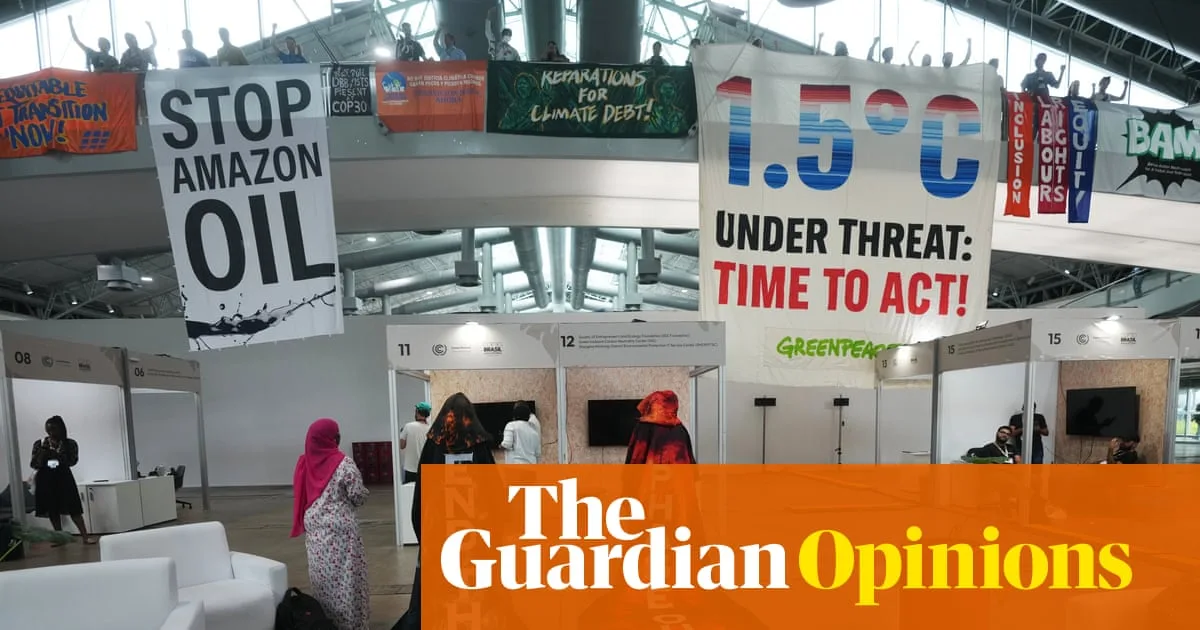
At Cop30 last November, Saudi Arabia and other petrostates successfully vetoed calls for a global roadmap to eliminate fossil fuels, even omitting the term from final agreements. However, the 85 countries on the losing side of that decision are now taking matters into their own hands. The First International Conference on the Just Transition Away from Fossil Fuels, co-sponsored by Colombia and the Netherlands, will operate under majority rule rather than UN consensus, preventing a few nations from blocking action.

This shift from politics to economics is critical. Instead of relying on diplomatic negotiations, the conference will focus on market forces and economic leverage to drive change. Colombia, as the world's fifth-largest coal exporter, and the Netherlands, home to Royal Dutch Shell, symbolize the diverse interests at play, highlighting the potential for transformative collaboration.

Wide Pickt banner — collaborative shopping lists app for Telegram, phone mockup with grocery list

Building a Coalition of Economic Might

The 85 countries backing the roadmap include major economies such as Germany, the United Kingdom, France, Spain, Brazil, and Mexico. Combined, their gross national products total $33.3 trillion, surpassing the United States' $30.6 trillion and China's $19.4 trillion. This economic heft provides unprecedented leverage to influence global financial markets and corporate strategies.

Mohamed Adow, director of Power Shift Africa, emphasized the impact: "A coalition of that scale signaling its intent to move beyond fossil fuels would send an unmistakable message that the age of oil, gas, and coal is ending, and the smart money is shifting." If these nations unite behind a credible plan, it could deter new investments in fossil fuel infrastructure, reducing the risk of stranded assets.

Key Objectives and Global Participation

The conference aims to develop actionable solutions for a just transition, ensuring workers and communities are not left behind. Key focus areas include:

  • Phasing out the $7 trillion in annual government subsidies for fossil fuels without harming dependent populations.
  • Creating a global platform, as urged by UN Secretary-General António Guterres, to coordinate the decline of fossil fuel investments with the rise of clean energy.
  • Involving diverse stakeholders, including climate activists, Indigenous leaders, trade unions, and sub-national governments like California, whose governor, Gavin Newsom, is a vocal advocate for climate action.

Adding California's $4.1 trillion GDP to the coalition would boost its total economic power to $37.4 trillion, nearing the combined GDP of the US and China. Newsom has pledged to fill the void left by US political divisions, positioning California as a leader in green technology.

Historical Precedents and Future Implications

The potential for this coalition mirrors the impact of the 2015 Paris Agreement, which shifted global trajectories from a projected 4°C temperature rise to 2.7°C by aligning public and private sector efforts. A united front of 85 countries could accelerate this progress, leveraging economic power to enforce climate goals.

This initiative reflects broader public sentiment, with 80-89% of people worldwide demanding stronger government action on climate change. Scientists warn that phasing out fossil fuels is essential to avoid catastrophic warming, making this conference a pivotal opportunity to flip the narrative and drive urgent change.

As the world grapples with conflicts like the Iran war, which exacerbates climate risks through disrupted oil shipments and increased emissions, the need for a coordinated economic response has never been clearer. The Colombia conference represents a ray of hope in a landscape often dominated by petrostate resistance, offering a path toward a sustainable future powered by collective economic strength.

Pickt after-article banner — collaborative shopping lists app with family illustration




