Earliest Spring on Record in UK: Birds, Butterflies, and Flowers Bloom Early
An unprecedented early spring is unfolding across the United Kingdom, with citizen science data revealing record-breaking seasonal activity. Bluebells are flowering, swallows are returning, and orange-tip butterflies are taking flight in what could become Britain's earliest recorded spring. According to Nature's Calendar, which has logged volunteer records since 2000, 2026 is on track to be the earliest this century for events like frogspawn laying, blackbird nesting, brimstone butterfly emergence, and hazel flowering.
Record-Breaking Bird Behaviour
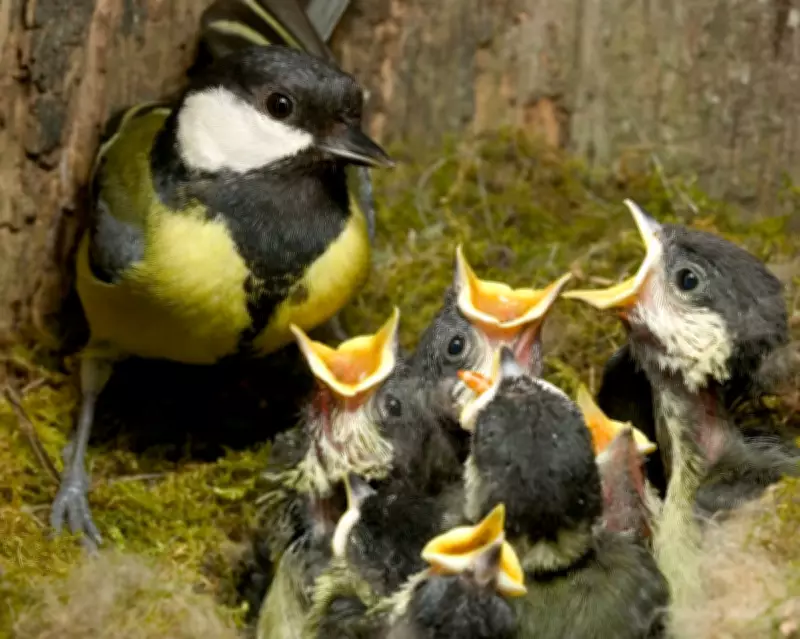
An 80-year study of great tits in Wytham Woods, Oxfordshire, has documented the earliest egg-laying ever observed this spring. The sighting on 23 March surpassed the previous record by three days. Since the 1960s, the average egg-laying date for these birds has advanced by 16 days, as they adapt to ensure their chicks are fed on caterpillars that emerge with new spring leaves. Similarly, Dunsford Woods in Devon recorded its earliest coal tit egg since records began in 1955. This trend is not isolated to the UK; record-breaking early tit egg-laying has also been observed in the Netherlands, highlighting dramatic climatic shifts across northern Europe.
Butterflies and Caterpillars Emerge Ahead of Schedule
The first orange-tip butterfly, a traditional harbinger of true spring, was spotted on 18 March this year. Naturalist Matthew Oates noted his first sighting in the Cotswolds on 31 March, a stark contrast to fifty years ago when the typical first emergence was around 16 April. Oates predicts that midsummer butterflies could emerge as early as May this year, which would be the first occurrence since the exceptionally hot and dry summer of 1893. Caterpillars are also appearing unusually early, with Oates finding relatively large caterpillars of midsummer butterflies like purple emperors, white admirals, and silver-washed fritillaries. He humorously remarked, "We need a ministerial statement on the state of the nation's caterpillars!"

Phenological Shifts and Adaptation
While some scientific studies warn of "phenological mismatch", where species cannot keep pace with climate-induced changes in others, the earlier-laying tits offer hope that wildlife is adapting. Alex Marshall, a citizen science officer for Nature's Calendar, stated, "Spring is looking pretty early, and the broad trend is one we see year on year – spring is happening earlier." Last year, only one of the tracked spring events—the first sighting of a red-tailed bumblebee—was not earlier than average, and 2026 appears to follow or even exceed this pattern.
Provisional Data Highlights Early Averages
According to provisional figures from Nature's Calendar, key spring events are occurring significantly earlier than previous averages:
- First frogspawn was laid on average on 23 February, well before the previous earliest average of 5 March.
- Blackbirds were nesting by 4 March.
- Hazel was flowering on 14 January, eight days before the previous earliest average of 22 January in 2024.
These averages may adjust as more records are submitted, but the trend is clear. This spring's rapid growth has been fueled by a relatively warm winter, one of the wettest Januaries on record in many areas, and Britain's joint 10th warmest March.
Climate Impacts and Resilience
Fears that global heating could jeopardise wildlife, such as cold snaps killing off early frogspawn or insects, have not materialised so far this year, though spring species could still face challenges from events like Storm Dave. Grahame Madge, a Met Office spokesperson, noted that cold spells during warm Marches are typical and not necessarily alarming signs of climate change. However, some species are struggling; for instance, the willow warbler has nearly vanished due to climate impacts, while chiffchaffs are singing earlier as some overwinter in the UK instead of migrating.

Naturalists Celebrate Spring's Bounty
Despite the threats posed by global heating, scientists and naturalists are embracing the early spring with enthusiasm. Writer Richard Mabey reported sensational displays of early spring flowers like violets, celandines, and cowslips. He and Oates attribute this bounty to last summer's heat combined with heavy winter rain. Oates emphasised, "These are very exciting times to be a naturalist. And the nation needs its naturalists to tell it what's going on." As the UK experiences these dramatic seasonal shifts, citizen science continues to play a crucial role in documenting and understanding the impacts of climate change on wildlife.