
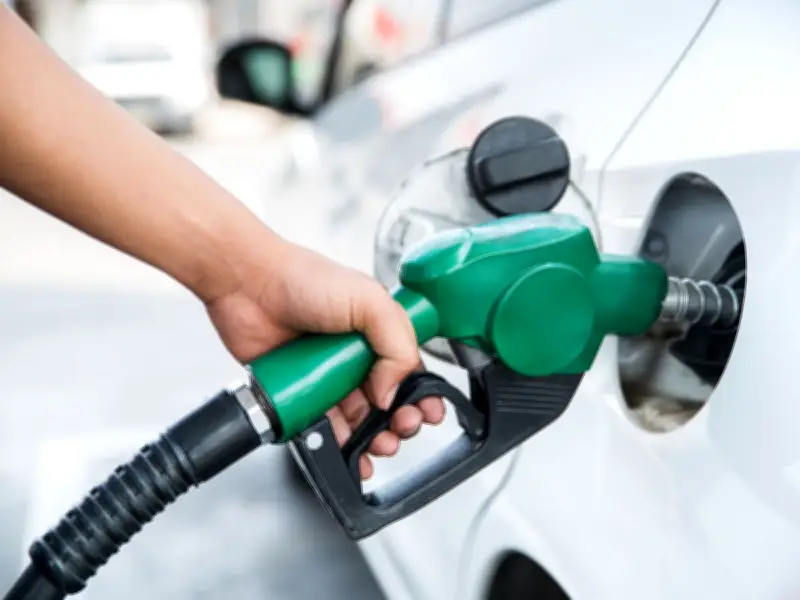
The Met Office has forecast a return to hot weather next week, with temperatures potentially reaching the thirties in parts of England and highs of 26C in Newcastle. Motorists are being advised to refuel before Monday as sweltering conditions can cause vehicles to consume more fuel than usual, catching drivers off guard.
Fuel Efficiency Impact
During periods of intense heat, both petrol and diesel deplete more rapidly due to altered driving habits and compromised fuel efficiency. Pump prices have climbed considerably in recent months owing to tensions in Iran, and despite a modest recent decline, they remain markedly elevated. Currently, petrol averages 154.72p per litre, while diesel stands at 174.30p, according to the RAC.
Mechanical and Habitual Factors
Vehicles consume greater quantities of fuel during warmer spells due to mechanical factors and motorist habits. The fuel gauge might become unreliable and fail to provide an accurate reading of remaining petrol or diesel levels. Motoring specialists at PassMeFast.co.uk warned: "When the weather's nice and warm, your car's fuel levels drop a lot quicker than usual. This means you can't rely on your normal estimations of how much time you have left before needing to fill up."
Avoiding Breakdowns in Heat
Another compelling reason to refuel ahead of warmer weather is to avoid becoming stranded in congestion during sweltering conditions. PassMeFast.co.uk added: "To avoid getting stuck in the middle of nowhere, or at the centre of a traffic jam on a hot day, make sure you head to the petrol station in good time."
Debunking Explosion Myth
Motorists have previously been cautioned against refuelling during sweltering conditions due to fears their vehicle could explode. However, RAC spokesperson Rod Dennis said: "There is no truth in this. All fuel systems on passenger vehicles are designed to cope with any expansion of fuel, or vapour coming from the fuel. There is no risk of explosion from filling up a fuel tank fully."
Optimal Temperature for Fuel Economy
Specialists suggest that temperatures around 20C deliver superior fuel efficiency compared to freezing conditions, though as mercury levels climb higher, these benefits diminish. Fuel Finder UK explains: "According to official fuel economy tests, your car's efficiency drops by around 10% at -5°C compared to 20°C. For short trips under four miles, that penalty can reach 20% or more." The optimal range for fuel consumption sits between 15C and 20C, but once temperatures soar to 32C, engine performance deteriorates and overheating becomes a genuine concern.




