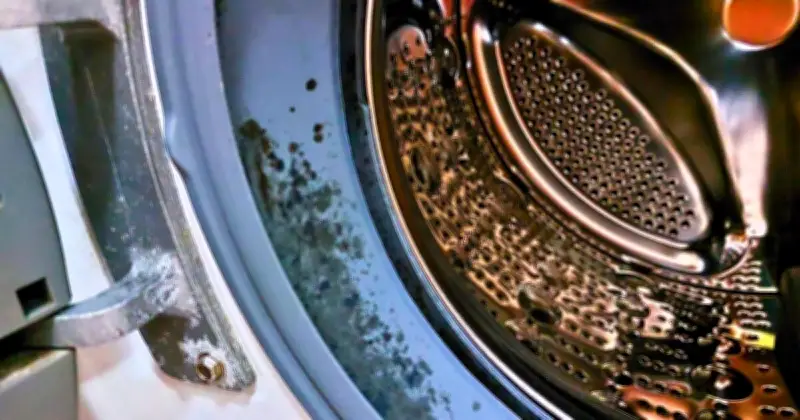
As temperatures rise in the UK, washing machines become more prone to mould growth due to increased humidity. Fungal spores thrive in damp environments, and after a wash cycle, the drum and detergent drawer can remain wet for days, accelerating mould formation. This leads to slimy residue, clogged components, and musty-smelling laundry that isn't properly cleaned.
Many people neglect washing machine maintenance, assuming it requires complex procedures. However, Marilee Nelson from cleaning chain Branch Shares a simple solution that takes just seconds. "Mould and mildew cannot grow in your front loader (or anywhere for that matter) without a food and water source. So, your first step is to remove the moisture from your washer by leaving the door open between washes," she explained.
How to Prevent Mould in a Washing Machine
The key is to allow air circulation to evaporate moisture. After each wash, remove all clothes promptly and leave both the washing machine door and detergent drawer open. This prevents humidity from settling and stops mould spores from developing. Nelson emphasizes that mould requires both moisture and a food source—such as detergent residue—so keeping surfaces dry is the most effective prevention.
Letting moisture sit on surfaces for extended periods encourages mould growth, and damp detergent residue can become a breeding ground for bacteria. By simply leaving the door and drawer ajar, you ensure that all parts dry out completely between uses.
How to Deep Clean a Mouldy Washing Machine
If you already notice slimy residue or musty odours, don't worry—removing mould is straightforward. Distilled white vinegar, available in most supermarkets, contains acetic acid that breaks down bacteria and mould spores. Spray a generous amount onto the detergent drawer and inside the rubber lining of the door, where soap and moisture often become trapped. Let it sit for five minutes, then wipe clean with a damp cloth.
For a deeper clean, pour white vinegar into the detergent drawer and run an empty hot wash cycle. This helps eliminate spores inside the machine. During summer, monitor your washing machine closely as heat increases mould risk, but with regular door-opening and occasional vinegar treatments, it should remain clean and fresh.