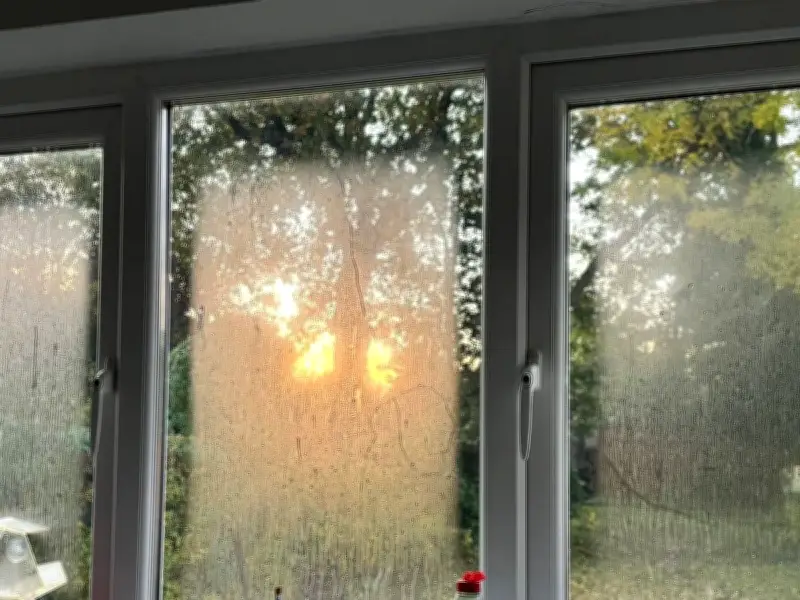
Condensation has begun plaguing windows each morning as temperatures have dropped sharply over the past week, particularly in bedrooms, which become hotspots for damp during colder months as occupants exhale moisture with every breath.
Most households will have dealt with condensation as seasons shift towards autumn and winter. At best, it is a nuisance requiring constant wiping. At worst, it can damage paintwork, soak through carpets, and create an ideal breeding ground for mould and mildew. While dehumidifiers can significantly help prevent condensation, they are fairly expensive household appliances that not everyone is willing to purchase.
What exactly is condensation?
The air around us holds moisture, and the amount varies depending on outdoor weather conditions as well as indoor activities such as cooking or having a shower. Warm air can hold far more moisture than cold air. As temperature drops, air eventually hits a threshold where it cannot absorb more moisture and becomes fully saturated at 100%.
This precise temperature is known as the "dew point". Once air cools to its dew point, water droplets start to form on surfaces that are colder still, such as morning dew on grass or condensation on car windows after a cold night.
How to put a stop to condensation
Condensation forming on the inside of windows is down to poor ventilation, according to Which? Trusted Trader Finesse Windows. They said, "It means there's too much moisture in the room and not enough ventilation. Moisture needs somewhere to escape. The more you let fresh air circulate, the less water ends up on your windows."
To tackle window condensation quickly, the experts recommend throwing windows wide open for five to 10 minutes every morning to flush out damp air. While some may worry about letting heat escape, allowing dry air in for just a few minutes can leave rooms feeling fresher and help prevent long-term damp issues.
Keeping internal doors open wherever possible will also help filter out humid air, allowing drier air to move freely throughout the home. On top of opening windows and internal doors, it is important to keep window trickle vents open too.
The experts explained, "Modern A-rated windows come with trickle vents for a reason. They allow a small, controlled flow of fresh air, helping moisture escape without making the room cold. Keep them open all year round, especially in bedrooms overnight."