
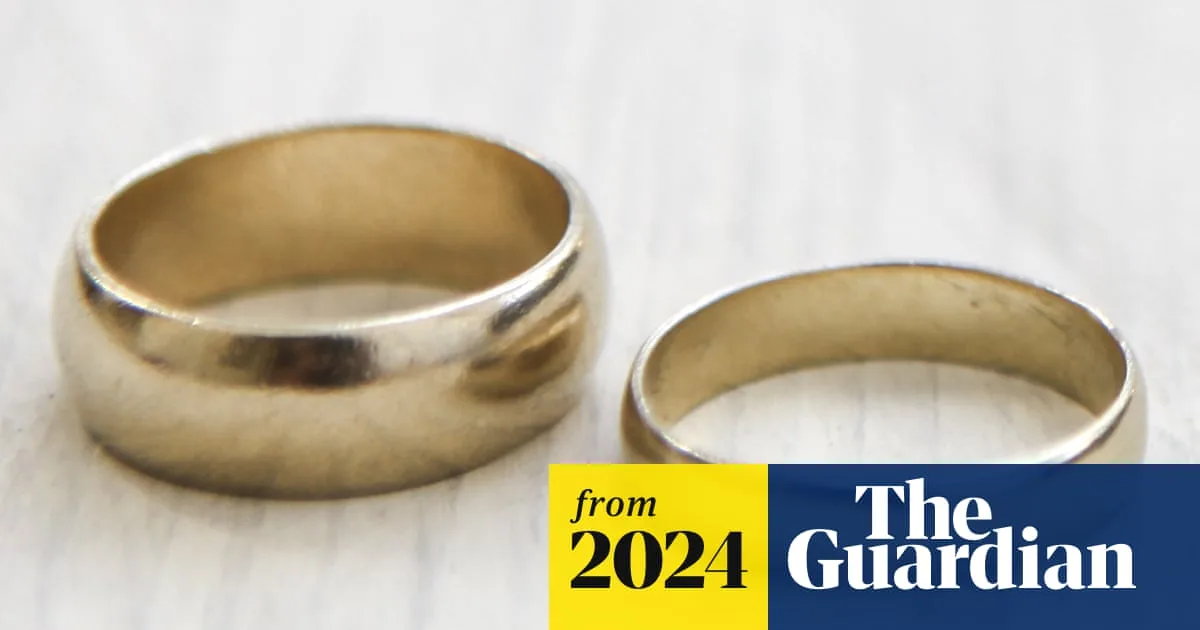
Gold mining generates more waste per ounce than any other metal, with a single wedding ring producing at least 20 tonnes of mine waste. This stark reality is prompting calls to reconsider the value of gold beyond its symbolic and financial worth.
Only about 10% of global gold demand comes from industrial uses, where it serves as a corrosion-proof conductor. The remaining 90% is divided between jewellery (50%) and coins or bullion held by investors and central banks (40%). This suggests that stopping targeted industrial gold mining would not affect supply for practical applications.
Environmental costs are severe. Cyanide heap leaching, introduced in the 1970s, has released billions of gallons of contamination. Artisanal mining, accounting for at least 20% of production, is the largest source of mercury pollution globally.
Indigenous perspectives offer an alternative view. The Inca valued gold for spiritual power, not material wealth. Aboriginal Australians lived alongside surface gold for 50,000 years without mining it. The Iñupiat, Yupik and Chukchi of the Bering Strait ignored placer gold because it had no utility—no energy, no shelter, no tool-making value.
As consumers, we are urged to look around our homes and recognise the metals we rely on, and the costs of their extraction. The question is not whether we need metals, but which ones and how much.




