Conservation Leaders Reject Calls to Weaken Environmental Protections
In a robust response to recent commentary, leading conservation organisations have emphatically defended the critical role of legal protections in safeguarding Britain's natural environment. This comes after Sam Dumitriu of Britain Remade advocated for a shift in focus from regulatory safeguards to habitat recovery efforts in an article published on 8 March.
Joan Edwards, Director of Policy and Public Affairs at The Wildlife Trusts, alongside Kevin Austin of the RSPB, Ali Plummer from Wildlife and Countryside Link, and Abi Bunker of the Woodland Trust, have jointly highlighted the alarming decline of England's natural landscapes. They point to devastating statistics: over the past century, the nation has lost 99.7% of its fens, 97% of species-rich grasslands, 80% of lowland heathlands, up to 70% of ancient woodlands, and as much as 85% of saltmarshes.
The Foundation of Conservation
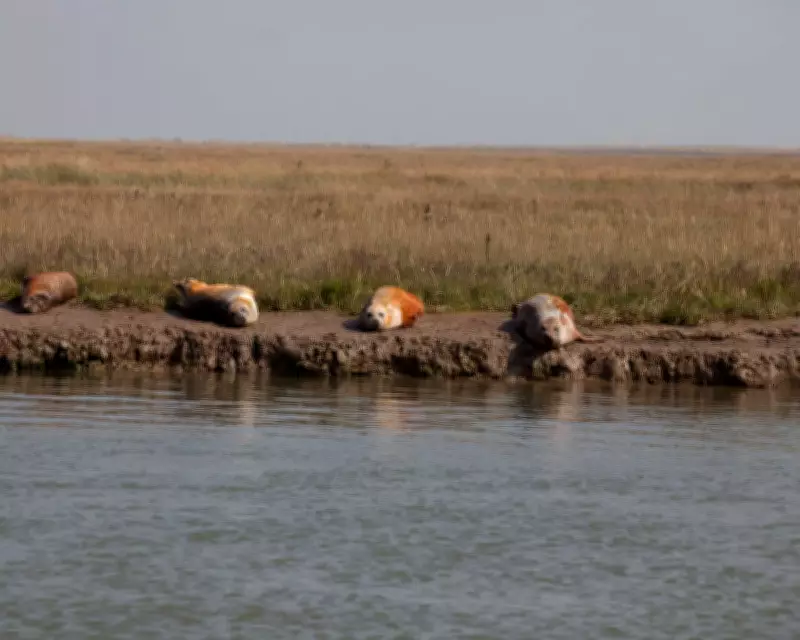
Attempting to restore natural habitats while simultaneously degrading those that remain is fundamentally flawed, the experts assert. They liken this approach to constructing a house while undermining its very foundations, a metaphor vividly illustrated by the plight of common seals on the saltmarshes at Hamford Water in Essex.

The directors challenge Dumitriu's assertion that environmental regulations obstruct the development of essential green infrastructure. This perspective will astonish the numerous professionals engaged in thousands of projects where climate-critical infrastructure is successfully integrated with nature mitigation measures, they note. They argue that healthy, carbon-sequestering natural habitats are indispensable for achieving net-zero targets, emphasising that climate infrastructure and nature recovery must progress in tandem.
Critique of Pro-Growth Advocacy
In a separate letter, Professor James Bullock from Wimborne, Dorset, offers a pointed critique of seeking environmental policy advice from pro-growth lobbying groups. He compares this to soliciting Tony Blair's views on an illegal war in the Middle East, suggesting it inevitably yields misguided conclusions.
Professor Bullock disputes Dumitriu's claim that the UK's construction activity is insufficient to drive significant nature loss. He warns that development poses a severe and pervasive threat to biodiversity, with impacts extending far beyond the immediate boundaries of new projects. He highlights the inadequacy and poor enforcement of current regulations, exacerbated by substantial funding cuts to the Department for Environment, Food and Rural Affairs, statutory conservation bodies, and the Environment Agency since 2010.
- Existing regulations fail to adequately address chemical, light, and noise pollution from new developments.
- They do not mandate the creation of green spaces that support biodiversity, such as essential wildlife corridors.
- Developers often rely on insufficient "biodiversity net gain" offsetting measures rather than comprehensive protection.
Professor Bullock argues that the assumption funds spent on compliance would be better allocated elsewhere is false. We must invest both in protecting endangered species like Bechstein's bats and in creating new habitats, he insists. Given that the UK is one of the most nature-depleted countries globally, he calls for significantly increased conservation funding, suggesting that the substantial profits reported by many developers could contribute to this urgent cause.
The collective message from these conservation voices is clear: robust legal frameworks are not a barrier to progress but a prerequisite for sustainable development. They urge a reinforced commitment to protecting and restoring Britain's natural heritage, warning that weakening protections would undermine both environmental and climate goals.