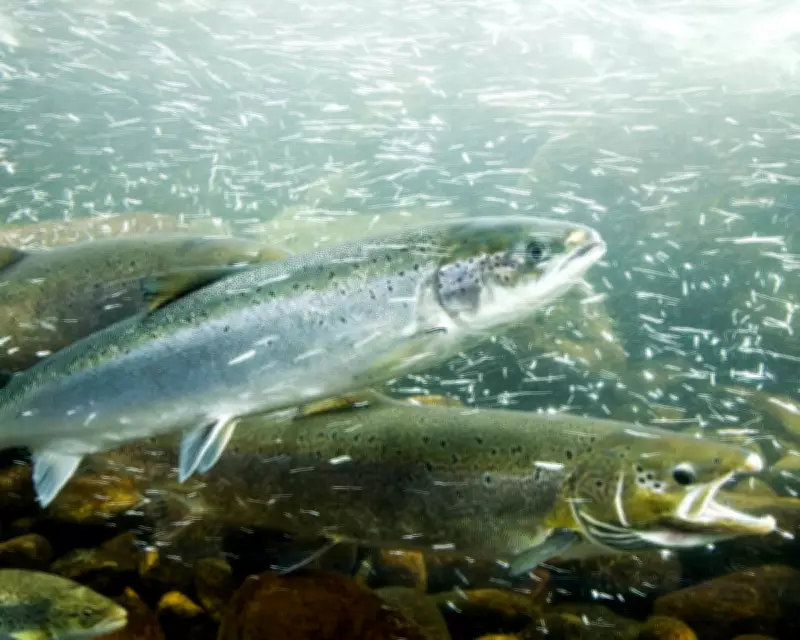
Cocaine Pollution in Rivers Alters Salmon Behaviour, Swedish Study Reveals
A groundbreaking Swedish study has uncovered that traces of cocaine polluting rivers and lakes may accumulate in the brains of Atlantic salmon, significantly disrupting their natural behaviour. The research highlights how these substances can influence where the fish migrate, what they consume, and their vulnerability to predators, raising alarms about unknown consequences for fish populations and broader aquatic ecosystems.
Impact on Fish Movement and Survival
Juvenile Atlantic salmon exposed to environmentally realistic levels of cocaine and its primary metabolite, benzoylecgonine, exhibited altered behaviour, swimming further and dispersing more widely across Lake Vättern in Sweden. This suggests the pollutants could force fish to burn more energy or face increased risks from predators as they forage for additional food to sustain themselves.
Dr Jack Brand from the Swedish University of Agricultural Sciences emphasised the potential trade-offs, stating, "Largely, we don’t know the consequences, but I expect there to be trade-offs. They may end up in worse condition or have to offset it by foraging a lot more, meaning they spend more time out in the open." The study, published in the journal Current Biology, tracked salmon fitted with acoustic transmitters over two months, revealing that those exposed to the metabolite swam nearly 14km more than controls, with significant northward movement into the lake.

Broader Environmental Risks and Previous Findings
This research adds to growing concerns over pharmaceutical and illicit drug pollution in waterways, which scientists have warned poses "a major and escalating risk to biodiversity." Previous reports have included trout showing signs of addiction to methamphetamine and perch losing fear of predators due to antidepressant medications. In 2019, tests in Suffolk rivers detected traces of dozens of drugs, such as cocaine, methamphetamine, and antipsychotics, though harm potential was not conclusively determined.
Prof Leon Barron of Imperial College London noted the importance of verifying these effects in naturally exposed wild fish and comparing them to impacts from other common chemicals. He advocated for better wastewater management, including reduced raw sewage discharges, to mitigate risks to wildlife. While existing treatment efficiently removes many illicit drugs, raw sewage from storm overflows and plumbing misconnections remains a key source of contamination.
Study Methodology and Key Insights
The study involved hatchery-reared Atlantic salmon fitted with implants releasing cocaine or benzoylecgonine at levels mimicking environmental exposure, alongside a control group. Released into Lake Vättern, the fish were monitored using sensors, with results showing the metabolite had a more profound effect on behaviour than cocaine itself. Dr Brand highlighted, "It was really the metabolite, which we know occurs at higher concentrations in the wild, that had the much more profound effect on fishes’ behaviour and movement." This underscores the need for risk assessments to include metabolites to fully understand environmental threats.
As pollution from drugs continues to threaten aquatic life, this study calls for urgent action to address contaminants in waterways, emphasising the interconnectedness of human activities and wildlife health in sustaining biodiversity.