Environmental Groups Sue US Government Over BP's New Gulf of Mexico Drilling Project
On the 16th anniversary of the Deepwater Horizon disaster, a coalition of five environmental groups has launched a legal challenge against the Trump administration's approval of BP's massive new ultra-deep oil drilling venture in the Gulf of Mexico. The lawsuit, filed on Monday, aims to overturn the interior department's green light for the $5 billion Kaskida project, which critics argue poses severe environmental threats reminiscent of the 2010 catastrophe.
Deepwater Horizon Legacy and New Drilling Risks
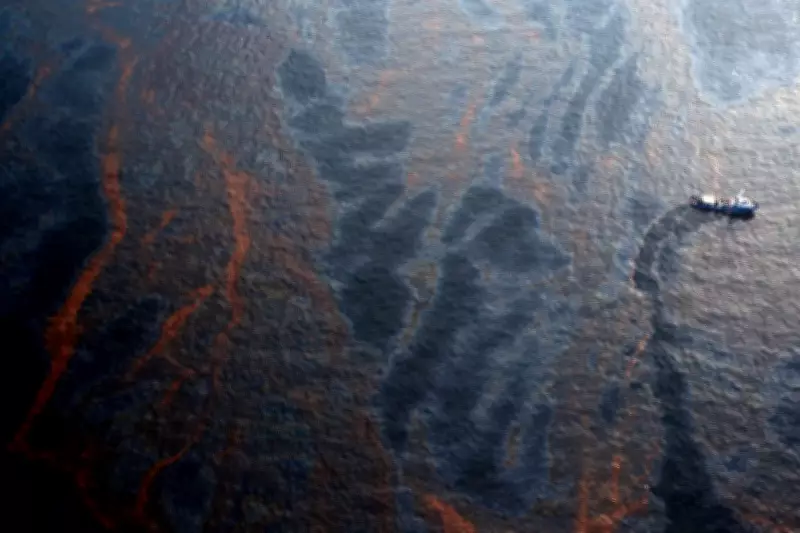
The Deepwater Horizon explosion on April 28, 2010, resulted in the deaths of 11 workers and unleashed over 3 million barrels of crude oil into the ocean, creating the worst oil spill in U.S. history. The leak took 87 days to contain, coating shorelines across five states and causing extensive damage to marine life, including fish, whales, and sea turtles, as well as devastating coastal ecosystems and fishing communities.
Now, BP's Kaskida project plans to drill even deeper than the ill-fated Deepwater Horizon well. Located approximately 250 miles off the coast of Louisiana, the project will involve drilling equipment plunging 6,000 feet into the Gulf's waters, with drills extending an additional 6 miles into the seabed—deeper than the height of Mount Everest. BP forecasts that this will extract around 80,000 barrels of oil daily from six wells starting in 2029, tapping into a deposit estimated to hold 10 billion barrels of oil.

Lawsuit Allegations and Environmental Concerns
The lawsuit alleges that BP has failed to provide legally mandated information regarding the Kaskida project and cannot demonstrate the ability to safely operate at such extreme depths. It warns that "loss of well control" incidents, similar to what triggered the Deepwater Horizon spill, become more probable under these conditions. Additionally, the groups claim BP lacks adequate containment capabilities to prevent a potential spill of up to 4.5 million barrels of oil from spreading across the Gulf.
Brettny Hardy, senior attorney at Earthjustice, one of the plaintiff organizations, stated, "The Trump administration has teed up the entire Gulf region for a Deepwater Horizon sequel with its approval of BP's extremely risky ultra-deepwater drilling project. The green lighting of BP's project sets a dangerously low bar for oil-and-gas companies that want to drill in our public waters."
Broader Policy Context and Endangered Species Impact
The Trump administration has actively promoted domestic oil drilling to bolster the U.S. position as the world's leading oil and gas producer, despite the environmental consequences of burning fossil fuels contributing to global warming. In a controversial move last month, the administration granted the oil and gas industry an exemption from endangered species laws in the Gulf, potentially endangering the Rice's whale—a species unique to the region that lost about 20% of its population after the Deepwater Horizon spill.
Interior Secretary Doug Burgum defended the policy, saying, "Energy production in the Gulf of America is indispensable to our nation's strength, safeguarding our energy independence and preventing reliance on foreign adversaries. Robust development in the Gulf keeps our economy resilient, stabilizes costs for American families and secures the U.S. as a global leader for decades to come."
BP's Response and Safety Claims
BP, which is not a defendant in the lawsuit, has rejected accusations that the Kaskida project is unsafe. A company spokesperson emphasized, "Deepwater Horizon forever changed BP. The lessons we learned and the changes we made—from tougher safety standards to better oversight—remain at the forefront of who we are and how we operate every day." The spokesperson added that the lawsuit is "unfounded" and appears to target BP as part of a broader effort to halt all future offshore oil and gas development in the U.S.

The Bureau of Ocean Energy Management (BOEM), an agency within the U.S. Department of the Interior, declined to comment on the ongoing litigation but stated in a release, "The Department's review of all permits and plans associated with offshore energy projects incorporates the highest levels of analysis and scrutiny... The Kaskida platform represents a major step forward, unlocking more than 275 million barrels of previously unrecoverable oil in the Gulf of America."
Environmental advocates, however, remain unconvinced. Rachel Mathews, a senior attorney at the Center for Biological Diversity, warned, "The project will put Rice's whales, sea turtles and other Gulf wildlife at terrible risk. Ultra-deepwater drilling is ultra-dangerous, full stop." The groups are also pursuing legal action to overturn the endangered species rule exemptions, underscoring the high stakes of this ongoing environmental battle.