
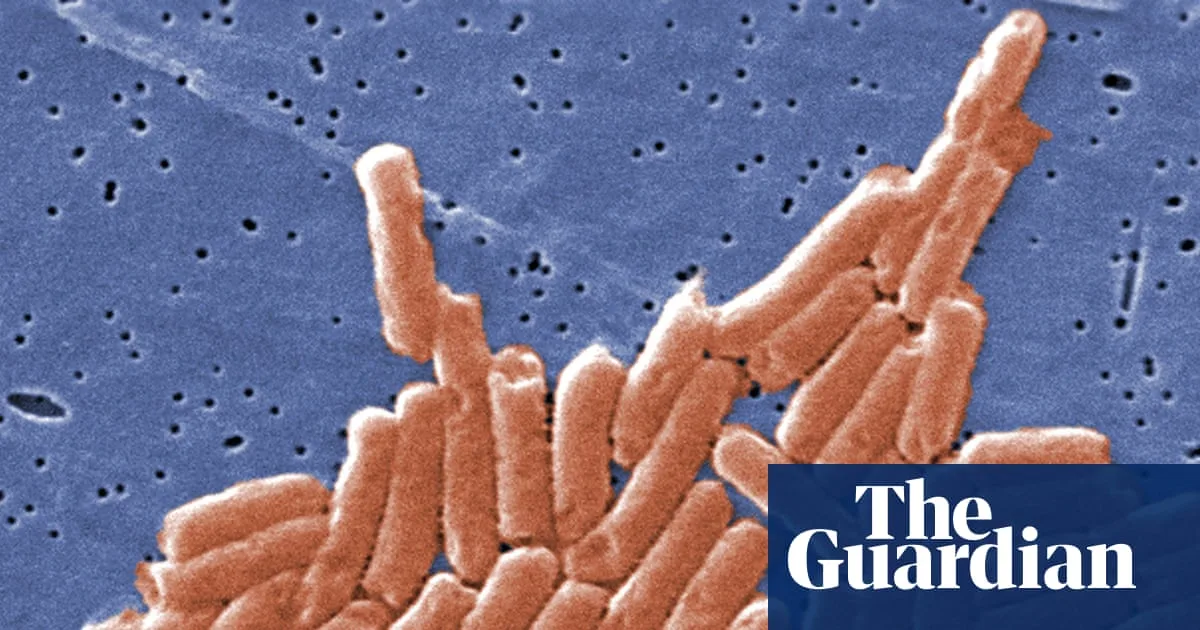
A new study has found that climate change is accelerating the global rise of antibiotic resistance, a major threat to human health. The research, published in the Lancet Planetary Health, shows a 10% increase in antibiotic resistance genes in salmonella between 1940 and 2023 linked to rising temperatures and changing rainfall patterns.
Led by researchers from the UK, France, Australia, Switzerland and China, the study analysed over 480,000 salmonella samples from 139 countries. It found that 82% of countries studied had increases in antibiotic resistance genes, with the strongest climate-associated rises in the Middle East, north Africa, south Asia and sub-Saharan Africa.
While the misuse and overuse of antibiotics remain the main drivers of resistance, the study suggests climate change is worsening the problem. Higher temperatures and altered precipitation can influence how bacteria survive, mutate and spread, potentially increasing the exchange of resistance genes.
The authors call for urgent integration of climate change mitigation policies, such as those in the Paris agreement, with enhanced antibiotic stewardship and surveillance. They warn that without action, the future burden of antimicrobial resistance could escalate, already killing over 1 million people annually.




