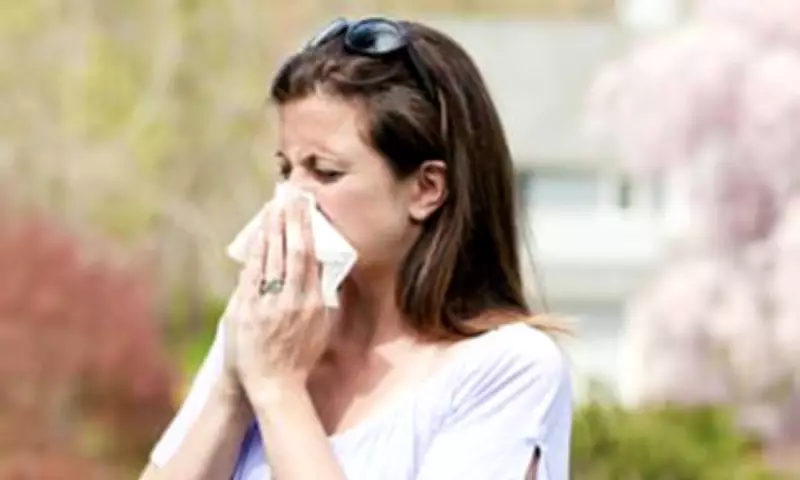
As spring arrives with sunshine and blooming flowers, millions of hay fever sufferers face a familiar ordeal: red, itchy eyes and relentless sneezing. However, new research reveals this seasonal misery is now significantly worse, with symptoms lasting up to two weeks longer than they did in the 1990s.
Climate Change Prolongs Pollen Exposure
A report from the Lancet Countdown in Europe 2026 highlights that climate change has "prolonged the pollen season" and increased exposure to allergens. Hay fever, an allergic reaction to pollen from trees, grass, and weeds, typically peaks in warm, humid, and windy conditions when pollen counts are highest, usually between late March and September.
Shifting Flowering Seasons
The report's authors note that climate change is shifting flowering seasons and "increasing the duration of exposure for people with allergic rhinitis." By analyzing birch, alder, and olive pollen seasons, researchers found an earlier start of one to two weeks for all allergenic trees between 2015 and 2024, compared to the baseline period of 1991-2000.

This shift means hay fever sufferers now endure symptoms for up to two weeks longer than they would have three decades ago, exacerbating health burdens during peak seasons.
UK Allergy Rates Among World's Highest
A separate study underscores the urgency of this issue, revealing that the UK has some of the highest allergy rates globally, with 30 per cent of adults affected. It warns that NHS care for allergies is "dramatically under-resourced," raising concerns about healthcare capacity to manage growing patient needs.
Health Impacts Intensifying Rapidly
Professor Joacim Rocklov, co-director of the study published in the Lancet journal, emphasized the accelerating health impacts of climate change. He stated, "The health impacts of climate change are intensifying faster than our response is keeping up. The choices we make now will decide whether these health impacts worsen or we begin moving toward a… more resilient Europe."
This report serves as a stark reminder of the tangible effects of climate change on public health, urging immediate action to mitigate its consequences and support vulnerable populations.