Climate Change Alters Bear Behavior in Vermont
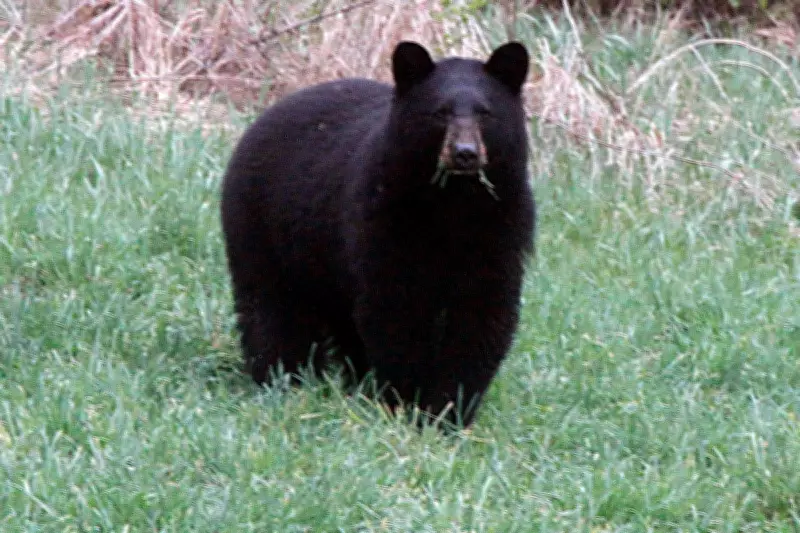
Vermonters traditionally welcome spring by setting out bird feeders to attract colourful, song-filled visitors to their gardens. However, this practice now risks attracting a far larger and potentially problematic guest: the American black bear. As a warming climate shortens winters, bears are emerging from hibernation earlier each year, driven by hunger to seek out easily accessible food sources in human-populated areas.
Rising Incidents and a Growing Population
Reports of bear incidents in Vermont have increased significantly over the past decade, according to data from the Vermont Fish and Wildlife Department. While improved reporting mechanisms account for some of this rise, biologist Jaclyn Comeau explains that a combination of factors is at play. "We have slowly been teaching our bears that our backyards are a good place to find high-calorie, easily accessible foods," Comeau stated. "They have figured that out, they’re not forgetting it, and we continue to keep reinforcing that behaviour."
The state's bear population has grown substantially, from an estimated 4,000 to 6,000 bears in 2018 to between 6,500 and 8,000 in 2024. This latest count nearly doubles the department's management objective of 3,500 to 5,500 bears. Concurrently, the timing of bear emergence from dens has shifted approximately two weeks earlier over the past fifteen years, moving from around April 1st to mid-March. This behavioural change is strongly linked to climate-driven alterations, with Vermont experiencing shorter, less severe winters.

Proactive Measures for Coexistence
This earlier emergence means Vermont residents must act sooner to prevent conflicts. Bears are highly adaptable and curious creatures, often targeting backyard beehives, bird feeders, compost piles, and chicken coops. Once a bear successfully obtains food from a human source, it is likely to return, and this learned behaviour can be passed from mother bears to their cubs. "A bear in a yard today means more bears likely in the future," Comeau emphasised, noting that bears inhabit every part of Vermont except the Champlain Islands.
To mitigate risks, officials recommend several key actions:
- Remove bird feeders early in the season.
- Store trash and compost in certified bear-resistant containers.
- Install electric fencing around chicken coops and beehives.
Habitat Fragmentation and Broader Ecological Impacts
Human development is another critical driver of increased human-bear conflict. Tom Rogers, Executive Director of the Stowe Land Trust and former bear conflict specialist with the Fish and Wildlife Department, highlighted the issue. "We are encroaching on bear habitat more and more," Rogers said. "As the state is becoming more developed and habitat becomes more fragmented, conflicts with bears, as with any other wildlife, are going to be more inevitable."
Fragmented landscapes force bears to travel through human-settled areas more frequently, increasing opportunities for them to associate people with food. Conservation groups like the Stowe Land Trust are working to protect wildlife corridors, such as the Shutesville Hill corridor connecting the Green Mountains and the Worcester Range. These efforts aim to reduce conflicts not only for bears but also for species like moose, deer, and bobcats.
Rogers noted that Stowe has become a hotspot for bear activity, partly due to tourists unfamiliar with best practices. He stressed the importance of community education and installing bear-proof infrastructure. Furthermore, climate change impacts extend beyond bears, affecting other wildlife. For instance, snowshoe hares and short-tailed weasels rely on white winter camouflage, but earlier snowmelt leaves them exposed against brown landscapes. Small mammals like voles depend on deep snowpack for insulation, which can be eroded by mid-winter thaws, leaving them vulnerable.

"We really need to be doing everything we can to protect the habitat that wildlife need," Rogers concluded, underscoring the interconnectedness of human choices, habitat preservation, and climate resilience in Vermont's evolving ecosystem.