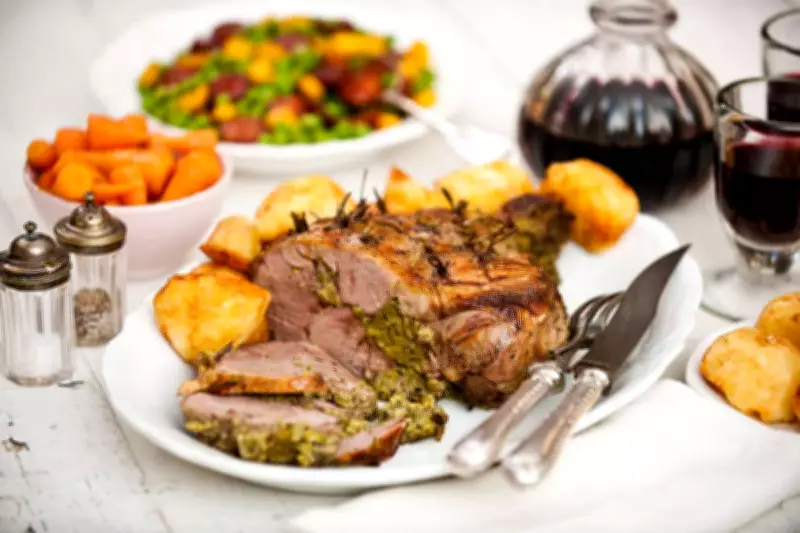
Households purchasing lamb regularly have faced an additional £168 in costs over the past three years directly due to climate change impacts, according to a comprehensive new analysis. The Energy and Climate Intelligence Unit (ECIU) think tank has revealed that weather "shocks" across the UK since 2022 have dramatically increased prices for this traditional Easter staple.
Extreme Weather Drives Price Surges
The report details how droughts, extreme heatwaves, and unprecedented heavy rainfall events have pushed prices for a typical 2kg leg of lamb upward by between 7% and 21% following each major weather disruption. These climate-related events have severely impacted farmers' production costs, weakening essential grass growth and preventing depleted hay stores from recovering adequately.
Analysis of Specific Weather Events
Zero Carbon Analytics conducted the research for ECIU using Met Office data to model the precise impacts of several extreme weather periods. The drought and extreme heat of 2022 increased lamb prices by 11%, while the record-breaking rainfall between October 2023 and March 2024 caused a 25% price spike. More recently, drought conditions contributed to a 13% price increase, primarily through their effect on grass availability for grazing animals.

Chris Jaccarini, land, food and farming analyst at the ECIU, emphasized the broader implications: "As families gather for Easter celebrations, the economic reality of climate change becomes increasingly apparent. Lamb prices have reached unprecedented levels following successive weather extremes that have devastated farming operations."
From Farmgate to Consumer Prices
The analysis combined weather data with figures from the Agriculture and Horticulture Development Board to track how extreme weather events affect farmgate prices, which typically translate directly to consumer costs. This transmission added an extra £5 (representing a 17.5% increase) to the price of a lamb roast at Easter 2024, followed by a further £7 (21% increase) the following year.
Farmer Perspectives on Climate Challenges
Jack Cockburn, a sheep farmer from Ceredigion in Wales, provided firsthand insight into the operational difficulties: "Here in West Wales, extreme weather represents our most significant challenge. We've experienced two consecutive very wet winters, resulting in waterlogged soils and poor grass growth due to persistently cloudy conditions."
He explained the consequences: "This environmental stress means lambs reach the abattoir at lighter weights, producing less meat per animal. The problems vary regionally across the UK—while we struggle with excessive rainfall in Wales, other areas face prolonged hot, dry summer spells as their primary issue."
To adapt to these changing conditions, Cockburn's farm has implemented strategic changes: "We now maintain smaller sheep flocks to facilitate better pasture management through nature-friendly grazing practices and rotational systems that help preserve grass quality despite weather extremes."
Broader Food Inflation Concerns
The report highlights that lamb is not alone in experiencing climate-driven price increases. Beef and dairy prices have similarly risen following extreme weather impacts on production systems. Jaccarini warned: "Climate change now presents a major and intensifying challenge for livestock farmers nationwide. With current oil price volatility threatening another round of food price inflation, the affordability of essential foods remains worryingly vulnerable to worsening climate shocks."
Easter Treats Also Affected
Beyond meat products, climate change has impacted seasonal treats as well. The cost of Easter eggs has risen by approximately two-thirds over three years, as heavy rainfall, droughts, and humid heatwaves have disrupted cocoa production in West Africa. Recent grocery inflation data from Worldpanel by Numerator shows the average price paid for an Easter egg is now 9% higher than last year, reaching £3.27.
The ECIU analyst concluded with a call for action: "Without accelerated progress toward net zero emissions to stabilize our climate, coupled with increased investment in agricultural resilience, food affordability will remain dangerously exposed to these escalating weather extremes."