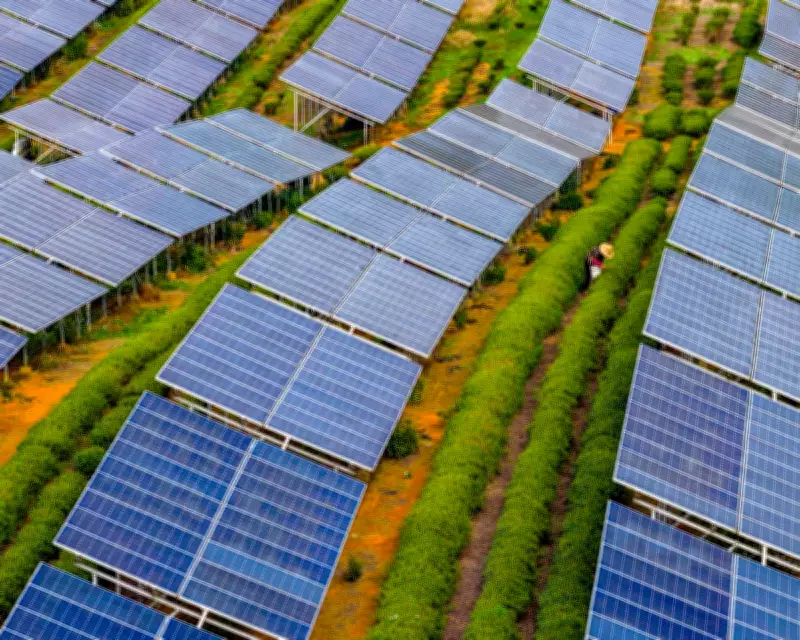
In a landmark development for global energy, clean energy generation surpassed the rise in global electricity demand in 2025, with solar farms leading the charge by increasing output by nearly a third. This growth occurred as electricity from fossil fuels experienced a slight decline, according to research from the thinktank Ember. The findings suggest a pivotal shift towards phasing out planet-heating fossil fuels, with renewable sources now scaling rapidly enough to absorb increasing demand.
Solar Power Drives Record Growth
Solar power generation soared by approximately 30% in 2025, setting a new record and accelerating growth trends. Over the decade from 2015, solar output expanded tenfold, roughly doubling every three years. More than half of this increase originated from China, which has emerged as a global leader in renewable energy and is the largest exporter of clean energy components worldwide. Solar power alone met three-quarters of the increase in electricity demand last year, with wind power contributing most of the remainder.
Global Trends and Regional Highlights
Globally, renewable energy accounted for 34% of electricity generation in 2025, edging out coal, which held a 33% share. India demonstrated strong progress, adding record amounts of clean generation that exceeded its electricity demand growth, thereby reducing its reliance on coal. Fossil fuel power generation fell by 52 terawatt hours in India, slightly less than the decline observed in China. Aditya Lolla, managing director of Ember, emphasised that clean energy is now a structural reality, enabling countries to cut exposure to fossil fuel imports and costs while meeting rising demand.

Battery Storage and Infrastructure Challenges
The report highlighted battery storage as a critical factor, with about 14% of additional solar generation in 2025 being utilised at other times due to increased battery uptake, driven by sharp price drops over the past decade. However, transitioning away from fossil fuels requires electrifying transport and heating, which depend heavily on oil and gas in many nations. This shift will necessitate global improvements in infrastructure, such as modernising power grids and regulatory frameworks to handle heightened electricity demand.
Context and Future Outlook
The research analysed trends prior to the current oil crisis triggered by the US-Israeli war on Iran, but its findings remain relevant as countries face energy crunches amid rising fossil fuel prices. This month, over 50 countries will convene in Colombia to discuss the global transition away from fossil fuels, a meeting that has gained urgency due to the ongoing crisis. The momentum behind clean energy indicates a promising path toward sustainable growth, though continued investment in grid modernisation is essential for long-term success.