The Met Office has issued a rare red weather warning for parts of the UK from Wednesday morning until Thursday night, as temperatures are forecast to reach up to 40°C. This would beat the current June all-time record of 35.6°C set in 1976. Hundreds of schools are expected to close, and chaos on public transport is anticipated.
Electric Fans Not Recommended Above 35°C
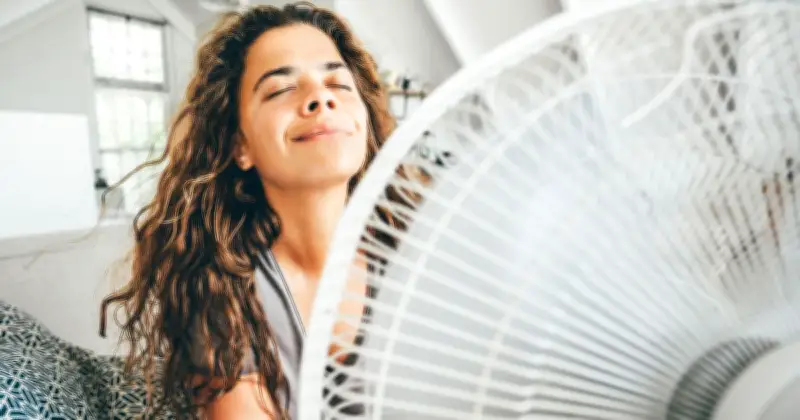
Contrary to popular belief, electric fans do not actually reduce a room's temperature. They circulate air, which may feel refreshing but does not cool the room. The UK government's heatwave plan, published by the UK Health Security Agency (UKHSA), states that electric fans are only effective at temperatures below 35°C.
The UKHSA advises: "Use electric fans if the air temperature is below 35°C, but do not aim the fan directly at your body as this can lead to dehydration."

UK Homes Ill-Equipped for Extreme Heat
The UK is typically designed to retain heat, with heavy-duty bricks, insulation, double- or triple-glazing, and thick roof tiles. Most homes lack air conditioning units, making it difficult to cope with soaring temperatures.
Government Tips for Staying Cool
The government has shared several suggestions to help households get through the next few days:
- Avoid the sun between 11am and 3pm. If going outdoors, apply high protection sunscreen regularly, wear a wide-brimmed hat, and seek shade.
- Keep your home cool by closing windows and curtains in rooms that face the sun during the day. Open windows at night when the air feels cooler, and try to create a through-draft.
- Limit strenuous physical activity, or plan it for cooler times like early morning or evening.
- Avoid hot, closed spaces such as stationary cars.
- Wear loose, light-coloured clothing made from breathable natural fabrics like cotton or linen. Dark colours and synthetic materials absorb and trap heat.
- Stay hydrated throughout the day. If sweating heavily, consider rehydration drinks to replace lost electrolytes. Limit caffeine and alcohol, which contribute to dehydration.
- Spray or sponge your skin with cool water. Cold packs wrapped in a cloth under the armpits or on the neck can also help.
- Turn off non-essential electronics such as TVs, laptops, and chargers, as they generate heat.
Red Heat Health Alert: Risk to Life
In addition to the Met Office's red weather warning, the UKHSA has issued a red heat health alert, stating that the conditions are "a risk to life for even the healthy population." It is vital to check on family, friends, and neighbours, especially those at higher risk of becoming unwell. Those at higher risk should ask loved ones to do the same for them.