
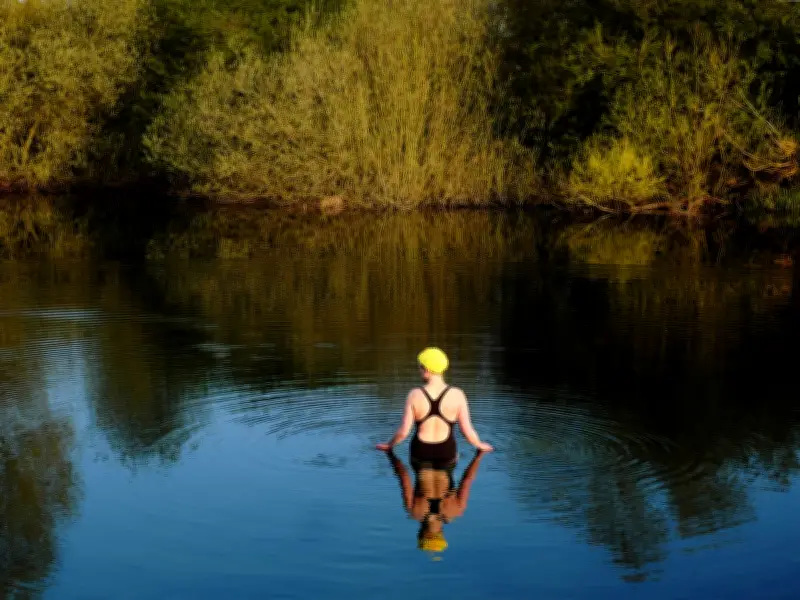
A doctor has issued a stark warning about the dangers of cold water shock after 17 people, most of them teenagers, died in open-water incidents across the UK during the previous heatwave last month. The deaths occurred in South Yorkshire, West Yorkshire, Cornwall, Hampshire, Warwickshire, Cheshire, Pembrokeshire, Lincolnshire, and Lancashire.
Doctor Explains the Science Behind Cold Water Shock
Dr Erica, in a TikTok video, emphasised that these deaths may have been preventable with greater water safety knowledge. 'This isn't about being a weak swimmer, cold water shock can incapacitate even strong, fit adults within seconds,' she said. She noted that natural bodies of water like lakes and the sea are only around 12 degrees Celsius at this time of year, making the risk of cold water shock high.
Dr Erica explained that sudden submersion into cold water causes shock, leading to rapid breathing, hyperventilation, and an increased heart rate. 'This then increases your risk of drowning and cardiac arrest, and this is even in young people too and strong swimmers,' she warned.
Advice for Safe Swimming
Dr Erica advised: 'If you are going to go swimming, please don't go on your own or just make sure somebody knows where you are. And if you can, slowly submerge yourself into the water rather than just jumping in.'
Samantha Hughes, national water safety partner at the Royal National Lifeboat Institution (RNLI), echoed this advice: 'It's important to remember that the water is still cold. Entering it unexpectedly can lead to cold water shock, causing a sudden increase in breathing and heart rate, which may trigger panic.' She recommended the 'Float to Live' technique: tilt your head back so your ears are submerged, relax, and control your breathing.
NHS Advice for Cold Water Emergencies
The NHS also provides guidance for those who find themselves unexpectedly in cold open water. It advises: take a minute – the initial effects of cold water pass in less than a minute, so don't try to swim straight away. Relax and float on your back to keep your face from being submerged, allowing you to catch your breath. Try to hold onto something that helps you float. Keep calm, call for help, or swim to safety if you are able.




