Bird Feeder Pecking Order: A Ritual of Joy and Ecological Concern
After months away, one of my first priorities upon returning home is to restock my bird feeder. This simple act has blossomed into a cherished ritual, filling me with immense joy as I witness the predictable and orderly arrival of various bird species. I settle in, waiting for the local avian community to remember the feeding station and spread the word through their networks. The sequence that unfolds is as regimented as court etiquette, offering a fascinating glimpse into their social dynamics.
The Predictable Sequence of Visitors
The robin is always the first to venture forth, bravely sampling the sunflower seeds. It is swiftly followed by the blue tit, arriving in a whirr of wings as a close second. These two act as the official food tasters for the wider community. Other species watch intently from hidden perches, assessing whether these pioneers survive the encounter. Assured of safety, the dunnocks arrive next, followed by a pair of chaffinches that meticulously pick up spilled seeds from the ground below.
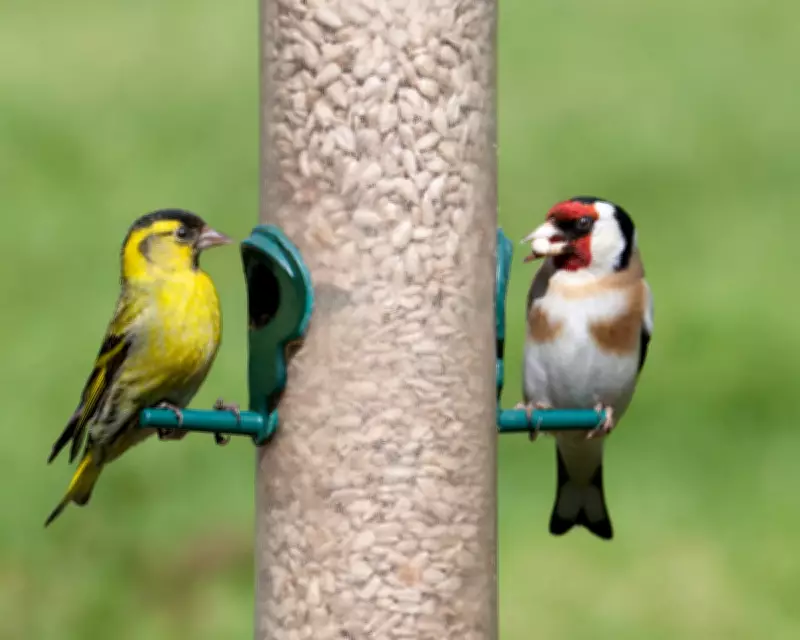
Then come the siskins, with the male and female appearing to scoff the seeds as if they were starving. My patience is rewarded with the arrival of the goldfinches, their scarlet faces steeped in folklore—said to have been stained from pulling a thorn from Christ's crown during the crucifixion. Sparrows are typically late to the gathering but compensate with their numbers and loud, squabbling chatter. It takes the nuthatch a full 24 hours to shed its caution, eventually clinging upside down to the peanut holder, followed by the greater spotted woodpecker.

Beyond the Feeder: Ground Foragers and Masters of Consumption
I also scatter peanuts directly on the grass, knowing this will attract a pair of magpies that perform what can only be described as a supermarket sweep. Through careful observation, I've noted that a magpie can manage only eight peanuts before it starts dropping them. In contrast, the jay is a true master of consumption. This high-fashion bird stores the legumes in its crop, which swells noticeably like a goitre. The record I've counted is an impressive 22 peanuts.
Rethinking the Uncomplicated Pleasure
For a long time, feeding birds was viewed as an uncomplicated pleasure, a simple way to connect with nature. However, it increasingly deserves more careful thought and scrutiny. Concerns have been raised about dirty feeding stations spreading deadly diseases like trichomonosis among finch populations. There is also a growing fear that providing supplemental food gives certain species an unfair advantage over others, potentially skewing local ecosystems and disrupting natural balances.
Some naturalists have concluded that bird feeding may be doing more harm than good. As a result, they have stopped altogether or limit feeding to the winter months only. They encourage people to focus on growing bird-friendly plants instead, though this option is not available to everyone, particularly those in urban environments without garden space.
While I deeply enjoy this ritual and the connection it fosters, I am left pondering what is truly best for wildlife. I plan to use up my current supplies and then make a more informed decision. This reflection is part of a broader conversation about our relationship with the natural world, reminding us that even well-intentioned actions require thoughtful consideration.