
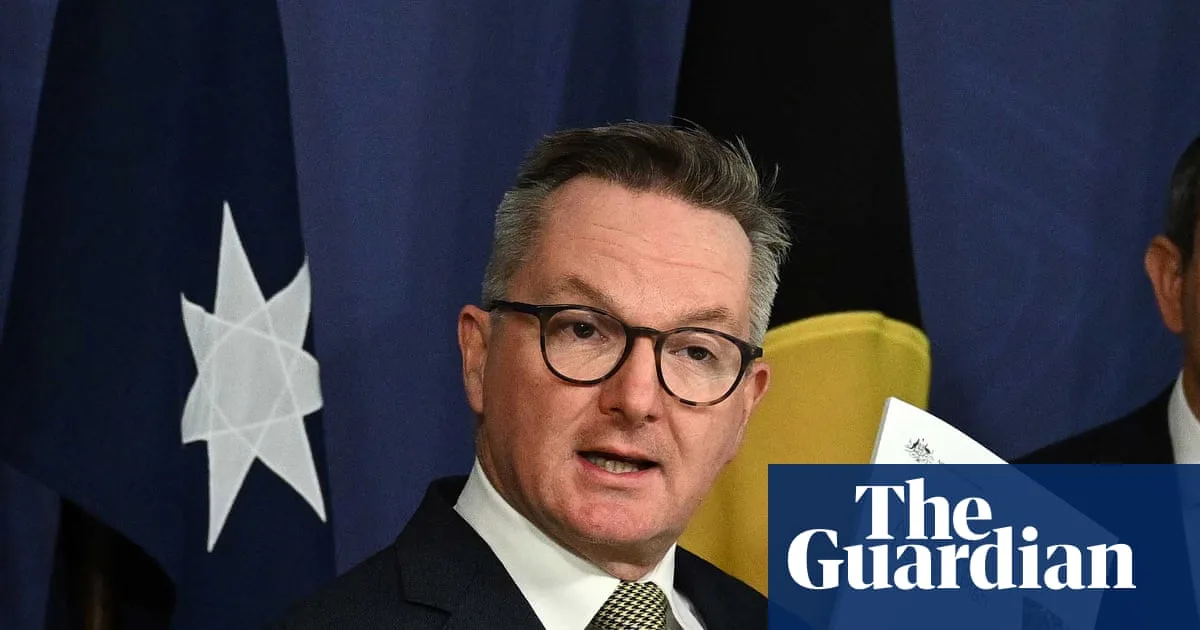
The Albanese government has announced a new 2035 emissions reduction target of 62% to 70% below 2005 levels, describing it as the "maximum level of ambition" achievable. Climate change minister Chris Bowen said a target above 70% was "not achievable" and that the goal aligned with limiting global temperature rise to 1.5C. The target was released alongside a high-level plan to reach net zero by 2050, including sector-specific pathways and $8bn in measures to spur the green energy transition.
The announcement drew immediate political backlash. The Liberal Party rejected the target as "economy-wrecking," while the Greens labelled it a "betrayal" of the planet. Prime Minister Anthony Albanese defended the range as the "sweet spot," acknowledging criticism from both sides. The target is based on final advice from the Climate Change Authority, which recommended a lower range than its preliminary advice from April 2024, which had suggested 65% to 75%.
The authority's report warned that even achieving the lower end of the range would require significant efforts, including halving current emissions, a six-fold increase in storage capacity, quadrupling wind capacity, and electric vehicles making up half of new car sales by 2035. Treasury modelling indicated that cutting emissions by 65% could grow the economy by $2trn by 2050.
Climate campaigners had argued for a target of at least 75%, a level supported by a coalition of businesses backed by Andrew Forrest. Bowen countered that such a figure lacked evidence or modelling. The government's latest annual forecast puts Australia on track for a 51% reduction by 2035, meaning substantial acceleration is needed to meet the new target. The announcement follows a national climate risk assessment warning of severe impacts from rising sea levels and heat-related deaths.




