Atmospheric Chemist Reveals the Danger of 'Black Rain' Falling in Iran
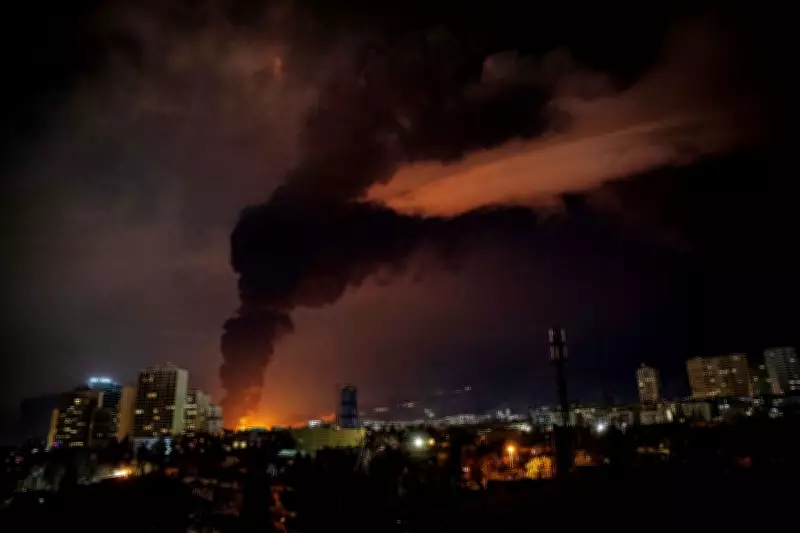
Reports have emerged of "black rain" falling in parts of Iran following US-Israeli airstrikes on oil depots, with residents experiencing headaches, difficulty breathing, and oil-contaminated surfaces. An atmospheric chemist warns that this phenomenon is more serious than conventional acid rain, indicating the presence of highly toxic pollutants such as hydrocarbons, ultrafine particles (PM2.5), and carcinogenic compounds.
Composition and Formation of the Toxic Rain
The smoke from the bombed oil depots contains sulfur dioxide and nitrogen dioxide, which are precursors to forming sulfuric and nitric acid in the air, contributing to the rain's acidity. This process leads to the formation of black rain, which is laden with harmful substances that pose immediate and long-term threats to human health and the environment.
Health Risks Associated with Exposure
Exposure to this black smoke and contaminated rain poses significant health risks. Immediate issues include headaches and breathing problems, while long-term concerns involve an increased risk of cancer and neurological conditions. The atmospheric chemist emphasizes that these pollutants can penetrate deep into the respiratory system, causing severe damage over time.

Environmental Impact and Broader Consequences
The environmental impact extends to aquatic life and drinking water sources, with deposited pollutants potentially re-entering the air from contaminated surfaces. This highlights the broader consequences of conflict on the environment and public health, underscoring the need for urgent attention to mitigate these effects.
In summary, the black rain phenomenon in Iran is a stark reminder of the intersection between military actions and environmental degradation, with experts calling for increased awareness and protective measures for affected populations.