
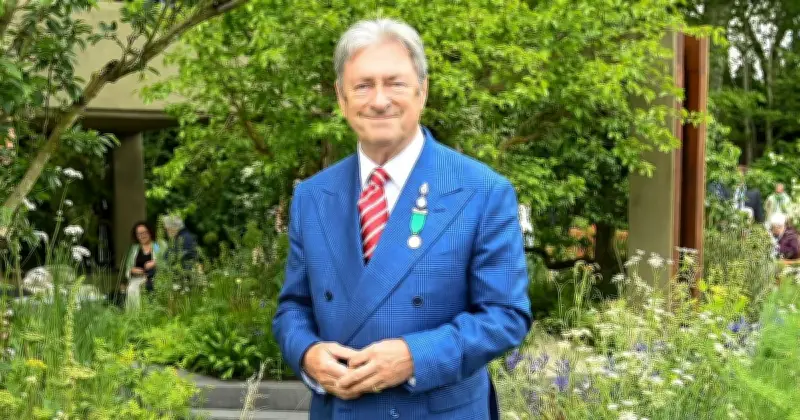
Gardening expert Alan Titchmarsh has urged people to stop using sprays in their gardens, warning that these products can harm wildlife. In a clip shared by The Royal Horticultural Society (RHS), Titchmarsh offered three key tips for creating a wildlife-friendly garden, emphasizing the dangers of pesticides, insecticides, and herbicides.
Stop Using Sprays
Titchmarsh said: "The first thing to do is to stop using sprays. Start being organic. Don't use pesticides, insecticides, herbicides - anything with this 'cide' on the end of it. Allow nature to take a hold, and you will find a natural balance occurs." He explained that these chemicals rarely discriminate between pests and beneficial creatures, poisoning the food chain and disrupting ecosystems.
Grow a Wide Range of Plants
The second tip is to grow a diverse mix of plants, including vegetables and flowers. Titchmarsh noted that variety aids wildlife and enhances garden beauty. "It's great to have lots of different plants in your garden," he said.
Don't Limit to Native Wildflowers
The third tip challenges the assumption that only British native wildflowers should be grown. Titchmarsh stated: "The biodiversity in the garden - the number of insect species in the garden - is greater than the number of insect species in the wildflower meadow. Worth remembering that."
Why Avoid Sprays?
Sprays, whether chemical or organic, can harm wildlife. Insecticides kill or deter pollinators like bees and butterflies, as well as natural predators such as ladybirds and hoverflies. Even organic soaps can strip protective coatings from beneficial insects. Herbicides remove essential habitats and food sources, while fungicides can damage soil ecology and aquatic life. Titchmarsh advocates for letting nature establish its own equilibrium instead of "blitzing" gardens with chemicals.
The tips are simple to implement and can make a significant difference to garden biodiversity. Titchmarsh's advice aligns with broader efforts to support wildlife, as previously shared tips on attracting birds also emphasize natural practices.




