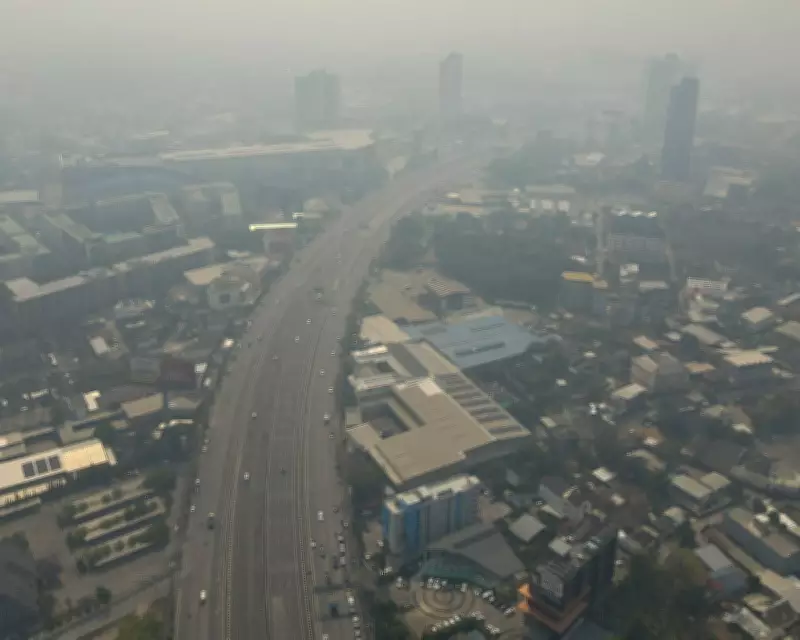
Air Pollution Deaths: Reducing Vulnerability Saves Millions of Lives
New research has uncovered a pivotal insight into combating air pollution-related fatalities: focusing solely on reducing pollution levels is insufficient. A study published recently demonstrates that decreasing vulnerability to air pollution, particularly through expanded healthcare access and social improvements, saved approximately 1.7 million lives globally in 2019. This finding challenges traditional approaches and underscores the need for integrated health and environmental policies.
Global Trends in Pollution and Vulnerability
Between 1990 and 2019, particle pollution improved in 139 out of 193 countries, with the most significant gains observed in Europe and North America. However, despite these reductions, the number of early deaths attributed to outdoor particle pollution surged from 3.8 million in 1990 to 5.1 million in 2019. If current pollution levels persist alongside population growth, projections indicate that the global death toll could exceed 10 million annually by 2050.
Dr Chris Malley from the University of York, the lead author of the study, emphasised that air pollution remains the second-largest risk factor for early death worldwide. He stated, "Traditionally, our response has focused on reducing the levels of pollution people breathe, but this is only part of the story." The research highlights that broader health enhancements, such as reduced poverty and improved medical services, have acted as a substantial shield against the detrimental effects of smog.

Impact of Reduced Vulnerability
The study reveals that global poverty rates dropped dramatically from 45% in 1990 to 21% in 2019, while approximately 15% of the world's population gained access to essential health services between 2000 and 2021. These advancements in social and healthcare infrastructure significantly mitigated the health burdens of air pollution. Dr Malley noted, "The scale of this impact is immense. Had we not reduced vulnerability, an additional 1.7 million people would have died from air pollution in 2019."
He further explained that the benefits of cleaner air are magnified when achieved in tandem with reductions in vulnerability. For instance, Europe and North America experienced similar decreases in air pollution over the past three decades, but Europe's reduction in air pollution-attributable death rates was nearly double that of North America. This disparity is attributed to Europe's more effective strategies in lowering vulnerability through robust healthcare systems and social factors.
UK-Specific Insights and Socioeconomic Disparities
In the United Kingdom, opportunities to diminish air pollution vulnerabilities persist, as evidenced by a separate study involving over 300,000 individuals. The research found that lung problems stemming from air pollution were notably more severe among people with lower incomes. For equivalent exposure levels, those in deprived areas experienced approximately twice the decline in lung function and three times the increased risk of chronic obstructive pulmonary disease compared to higher-income groups.
Professor Anna Hansell of the University of Leicester, who led this study, commented, "For those in more deprived areas, the problems come not just from higher exposure to air pollution but also higher vulnerability to the effects of air pollution due to poorer health, together with reduced access to things that maintain health like a good diet, ability to exercise and good health service access." This underscores the critical role of socioeconomic factors in exacerbating health risks from pollution.
Future Directions and Policy Implications
As global populations age, with the elderly being particularly susceptible to air pollution, Dr Malley stressed the importance of simultaneous action. He concluded, "Maximum health benefits from every unit of pollution reduced are only realised when people’s vulnerability is reduced at the same time. Actions include expanding access to quality medical care, promoting physical activity and healthy diets, and improving postnatal care for children in high-pollution areas." This holistic approach could pave the way for more effective public health interventions worldwide, potentially saving millions more lives in the coming decades.