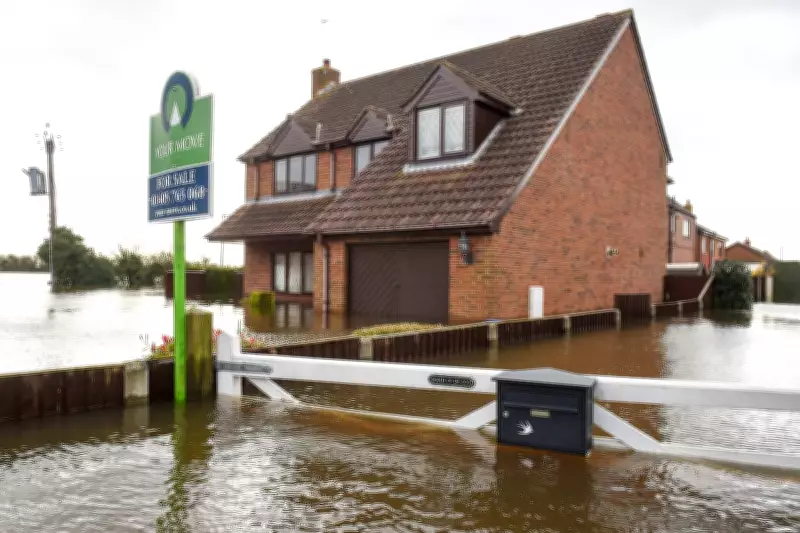
A new analysis conducted by Geosmart for Greenpeace has issued a stark warning, projecting that 866,000 homes across the United Kingdom could face a severe risk of flooding by the year 2080. This alarming forecast is based on a scenario where global temperatures rise by 2.4 degrees Celsius above pre-industrial levels, underscoring the escalating and tangible impacts of climate change on residential properties nationwide.
Regional Breakdown and Highest Risk Areas
The study identifies Scotland as the region with the highest number of properties at risk, with an estimated 386,716 homes potentially facing 'high' or 'very high' flood risk. This represents a significant portion of the total, highlighting particular vulnerabilities in northern regions. The findings emerge amidst a backdrop of recent widespread flooding and severe storms across the UK, exacerbating concerns about future climate-related disasters.
Current Weather Patterns and Historical Context
Notably, the South East of England has experienced its wettest start to the year on record, with persistent rainfall leading to localized flooding and disruption. This trend aligns with the study's projections, suggesting that current weather extremes may be early indicators of more frequent and intense flooding events in the coming decades. The analysis serves as a critical reminder of the urgent need for adaptive measures and robust infrastructure to mitigate these risks.

Calls to Action from Environmental Groups
In response to the findings, environmental groups, including Greenpeace, are urging the government and political parties to take immediate and decisive action. Key recommendations include compelling polluters to pay for environmental damages, adequately funding local authorities to enhance flood defenses and resilience strategies, and ensuring access to affordable home insurance for households in high-risk areas. These measures aim to protect vulnerable communities and reduce the financial burden on affected residents.
Broader Implications for Policy and Insurance
The study underscores the broader implications for national policy and the insurance sector, as rising flood risks could lead to increased premiums and coverage challenges. Stakeholders are called upon to collaborate on long-term solutions that address both mitigation and adaptation, fostering a more resilient housing market and safeguarding public safety in the face of climate uncertainty.