
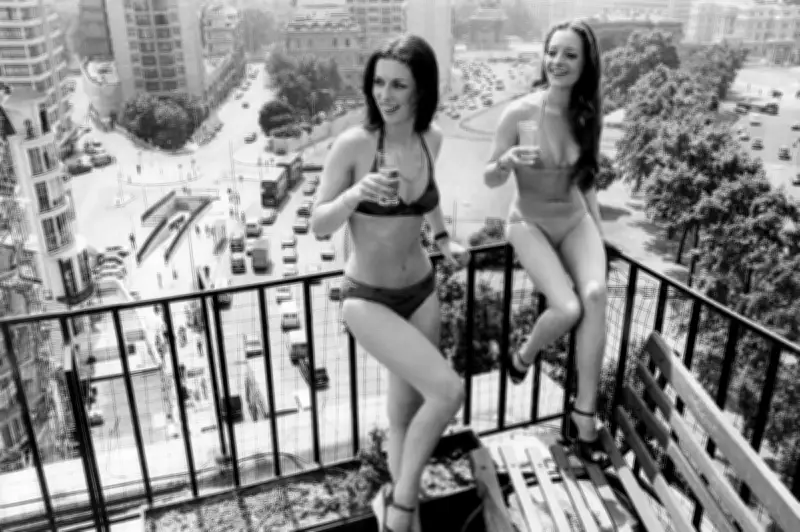
The current heatwave may feel intense, but it pales in comparison to the summer of 1976, according to those who lived through it. While temperatures this week may surpass the 1976 peak of 35.9°C in Cheltenham, the societal context made the earlier heatwave far more challenging.
Life in 1970s London: A Different World
London in the 1970s was a dour, grey place, still scarred by war damage and poor planning. People wore corduroy and polyester, with no shorts for men except at the beach. Outdoor swimming pools like Tooting Bec lido were considered eccentric. Bottled water didn't exist; drinking fountains were available but carrying a refillable bottle was unusual.
Pubs closed in the afternoons and at 11pm on weekdays, serving poor-quality drinks like Double Diamond. The first McDonald's opened in Woolwich in 1974, challenging a high street dominated by Wimpy and The Golden Egg. Air conditioning was rare in offices and homes; electric fans were expensive and ineffective.
Transport and Entertainment Challenges
Public transport was hot, dirty, and filled with cigarette smoke, as smoking was legal on the Tube and buses until 1984. Commuters had no smartphones for distraction. Only three TV channels existed, with shows like Charlie's Angels and The Muppet Show debuting that year. Radio stations were limited; Capital Radio launched in 1973. VHS recorders were not yet available.
Cinemas offered air conditioning, but art-house films had limited runs. The National Theatre opened in 1976 on a mostly derelict South Bank. Punk rock emerged with the Ramones playing the Roundhouse, but gigs and football matches could be violent.
Social Tensions and Change
The 1970s were marked by racism, sexism, and small-mindedness. The Sex Discrimination Act had only just passed in 1975. Gay men faced ridicule and attacks. National Front graffiti was common. Tensions culminated in the Notting Hill riots of August 1976, where police, revelers, and white supremacists clashed, resulting in over 160 injuries and 66 arrests. Only two black youths were convicted. The riots spurred the Race Relations Act and inspired Joe Strummer and Paul Simonon to form The Clash and write 'White Riot'.
A City Transformed
Since 1976, London has changed from a city that said no to one that says yes—embracing multiculturalism, finance, culture, and liberalism. Today's heatwave sees people heading to food markets, rooftop bars, open-air films, and cultural events, a stark contrast to the limited options of 1976. The year before that heatwave, Britain voted to stay in the EU, and while not solely responsible, the improvement in quality of life is undeniable.




