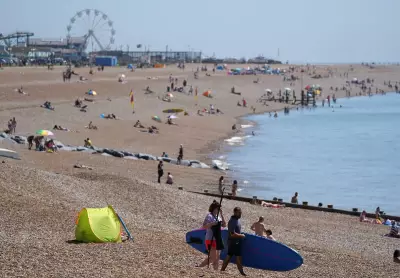
The UK is currently enduring a record-breaking heatwave, with temperatures soaring to unprecedented levels for May. The Met Office has issued a yellow weather warning for intense thunderstorms, with lightning, hail, and temperatures potentially reaching 36°C. As the heat continues, many gardeners are wondering how to protect their outdoor spaces.
Understanding Plant Vulnerabilities
According to Nick Turrell, RHS horticultural advisor, gardening in a heatwave is about risk management. Some plants are more susceptible to heat stress, including hydrangeas, Japanese maples, fuchsias, astilbes, and roses. These plants require extra attention during hot spells. Conversely, plants like lavender, rosemary, sedum, and other succulents are more likely to thrive in warmer conditions.
11 Essential Tips for Heatwave Gardening
1. Water Wisely
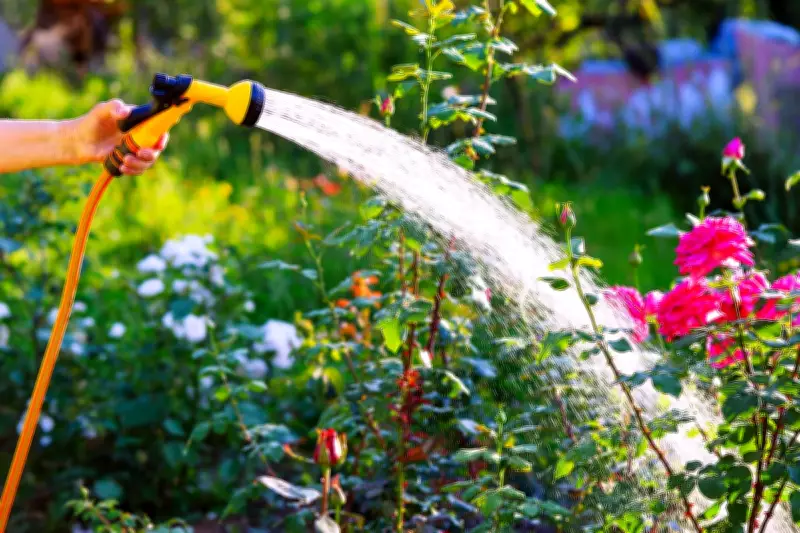
Water your plants in the morning to ensure they stay hydrated throughout the day. Focus on the roots rather than the leaves, and use a watering can instead of a hose to avoid wasteful spraying. For established plants, water less frequently but more thoroughly to encourage deep root growth.

2. Mulch the Surface
Apply a layer of mulch, such as gravel, bark, or compost, around plants to lock in moisture and keep roots cool. Organic mulches like wood chippings or leaf mould also improve soil structure and reduce evaporation.
3. Avoid Buying New Plants
During a heatwave, newly planted specimens require constant watering and are at high risk of stress. It is best to wait until cooler weather before adding new plants to your garden.
4. Take Down Hanging Baskets
Hanging baskets dry out quickly in hot weather. Move them to a shaded area to reduce water loss and keep plants healthy.
5. Harvest Vegetables Early
Lettuces and other leafy greens are prone to bolting (running to seed) in high temperatures. Pick them young and store in the fridge, or provide shade with netting.
6. Create Shade
Use temporary structures like old bedsheets, garden furniture, or shade cloths to protect vulnerable plants from direct sunlight during the hottest part of the day.
7. Group Patio Pots
Cluster potted plants together in a shaded area to create a microclimate that reduces evaporation and keeps roots cooler.
8. Support Wildlife
Keep birdbaths topped up with fresh water, and place pebbles in shallow dishes of water to provide drinking spots for insects and other wildlife.
9. Leave Your Grass
Lawns may turn brown and look dead, but they will recover with autumn rains. Avoid mowing or applying fertilisers and weedkillers, as these can cause further stress. Minimise foot traffic on the grass.
10. Plant Drought-Tolerant Species
If you need to fill gaps, choose plants that thrive in heat, such as lavender, rosemary, salvia, and sedum. Even these will need regular watering until they are established.
11. Improve Your Soil
Incorporate organic matter like garden compost or well-rotted manure into the soil to improve moisture retention. A thick layer of organic mulch on the surface also helps keep the soil cool and damp.
Additional Advice
Investing in a water butt to collect rainwater is a wise long-term strategy. Use a low-pressure leaking pipe buried just under the soil surface to deliver water directly to plant roots with minimal evaporation. Remember, a healthy soil is the foundation of a resilient garden.