Gardeners who neglect essential winter lawn care tasks risk leaving their grass patchy and lifeless when spring arrives. According to Chris Bonnett, founder of GardeningExpress.co.uk, a common misconception is that lawns need no care once cold weather hits, but this is not the case.
Why Winter Lawn Care Matters
Bonnett explained that how a lawn is treated during autumn and winter has a big impact on how healthy and green it will look in spring. Simple actions such as clearing away debris, aerating before the ground hardens, and applying a suitable fertiliser help grass recover faster. He noted that while lawns might look dormant, the roots remain active below the surface, and caring for those roots sets the garden up for success the following year.
Failing to make seasonal adjustments can leave lawns vulnerable to frost damage and waterlogging, potentially causing significant deterioration by the time spring comes around.
Key Tasks for a Healthy Lawn
Aerating the lawn before the ground hardens improves drainage and helps oxygen, water and nutrients reach the roots during colder months. This strengthens the grass at its roots, helping it cope with frost and heavy rainfall. A garden fork or lawn aerator can be used to spike the soil and alleviate compaction.
It is also important to clear any debris, including fallen leaves and twigs, as leftover debris can suffocate the grass, prevent sunlight, and trap excess moisture that promotes moss and fungi development.
Switching to a winter or autumn fertiliser can enhance disease resistance and frost tolerance. These fertilisers typically contain high levels of potassium, which supports root strengthening.
Additional Winter Lawn Care Advice
Autumn presents an opportunity to restore sparse or patchy sections of grass before winter arrives. Overseeding allows new seedlings to develop roots in the temperate, damp autumn weather conditions.
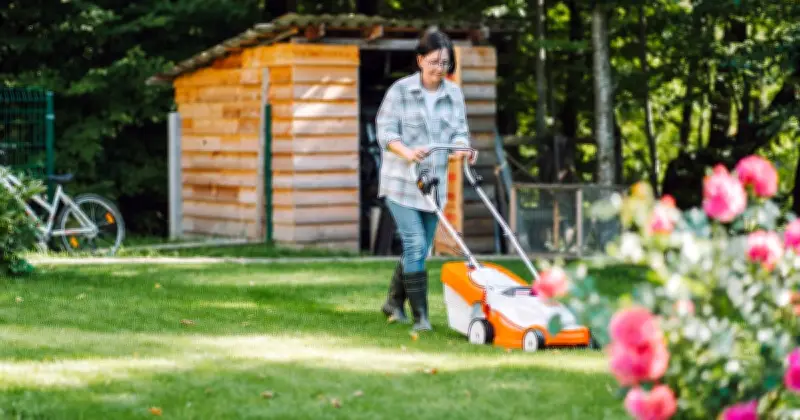
Trimming the lawn excessively short during cold periods leaves roots exposed and makes grass more susceptible to frost and disease. As grass growth diminishes, it is advisable to increase the cutting height and mow less regularly to minimise stress.
Treading on the lawn when it is saturated or frosty can damage grass blades and compress the soil, resulting in long-term harm and uneven growth. During autumn and winter, natural rainfall is typically adequate to keep soil sufficiently moist, and overwatering can cause waterlogged conditions that starve roots of oxygen and potentially cause rot and disease.