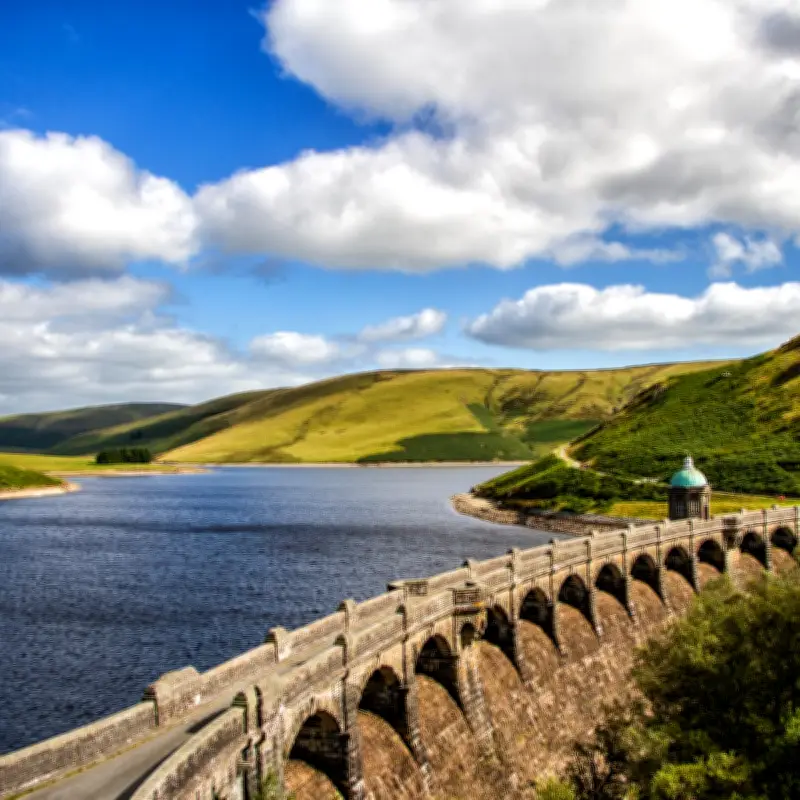
Welsh Water, which converted to not-for-profit status in 2001, has not proven a superior model for the water industry despite lacking shareholders. The company, serving 3 million people, reinvests surpluses into keeping bills down and environmental protection, but its performance remains middling on key metrics.
Performance and Penalties
Welsh Water recently received a £44.7m enforcement package from Ofwat for serious and unacceptable breaches in operating sewage plants, resulting in excessive spills. As a percentage of turnover (7.5%), this penalty was at the high end among water companies. On bills, Welsh Water charges £683 per year, above the industry average, while Severn Trent-owned Hafren Dyfrdwy charges £48 less.
The company's customer trust scores are high, but its track record shows that changing ownership alone does not solve all sector woes. Factors like access to capital, operational efficiency, technical skill, management accountability, and regulatory rigour also matter.
Burnham's Nationalisation Plans
Andy Burnham has called for stronger public control over water and energy, but his specifics are vague. He has said nationalisation is what should be done at Thames Water, but it is unclear whether he means full permanent nationalisation or special administration with a potential return to the private sector.
For the non-Thames part of the industry, Burnham envisions a 10-year plan of more public control and ownership, acknowledging that nationalising everything straight off is complicated and expensive. He proposes looking at different situations across the country.
Cost and Complexity of Nationalisation
Nationalising Thames Water could be reasonably cheap due to the weakening negotiating hand of creditors, but nationalising solvent water and energy companies is different. Buying at fair market value would require legal battles with institutional investors. FTSE 100 water companies United Utilities and Severn Trent are valued at almost £10bn each, plus borrowings. National Grid is worth £62bn, and SSE £29bn.
The high-voltage transmission operators are in the early stage of a £70bn five-year upgrade, and changing ownership could take 18 months, potentially causing delays. Similarly, water companies are in catchup mode on infrastructure, which is why the government did not contemplate nationalisation.
Comparisons and Alternatives
Comparisons with Burnham's reorganisation of Manchester's buses do not work, as the Bee Network is capital-lite while utilities are capital-heavy. Train operators were brought in-house at zero cost by waiting for franchises to expire, but water companies own their assets and have 25-year rolling licences.
Sir Jon Cunliffe's Independent Water Commission report found no one ownership model is universally better. It emphasised that strong and evidence-based regulation is critical, regardless of ownership. The clean water bill aims to shift the sector towards stronger active supervision through a powerful new regulator.
Burnham could inject more local direction through devolution, as praised in the water commission report. The report recommended formal strategic boards with local political leaders, allowing elected mayors to influence water system plans. This could be a pragmatic route in a fiscally constrained world.
For Thames Water, all options remain on the table, including a Welsh Water-style not-for-profit model as a possible exit route. However, for the sector as a whole, Burnham's stronger public control may morph into a stronger role for local authorities in planning and directing the system.