Gardeners Urged to Use Common Rice Leftovers for Bird Feeders This February
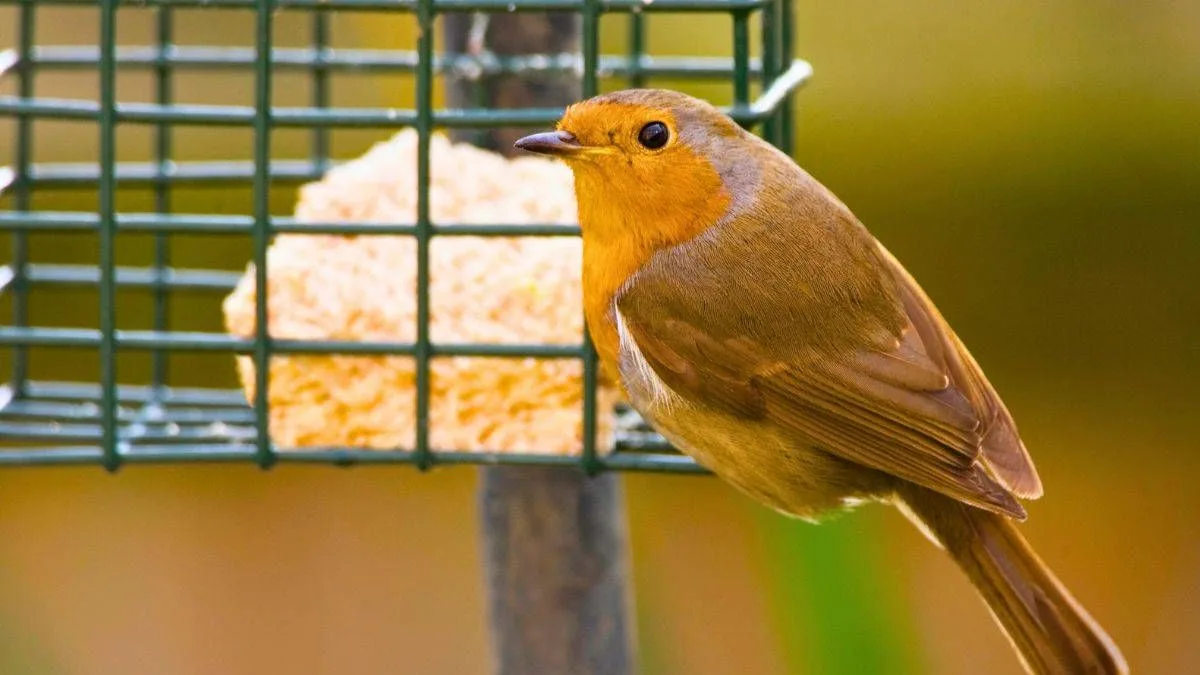
As February arrives, natural food sources for birds become increasingly scarce, making well-stocked bird feeders a crucial lifeline for our feathered friends during the final, harsh weeks of winter. While maintaining a bird feeder can often strain household budgets, there is a simple and cost-effective solution: gardeners need not constantly purchase expensive specialist bird food, as numerous everyday kitchen scraps can be safely offered instead.
Debunking the Rice Myth for Bird Feeding
Kayleigh Jacobs-Rutter from the Woodland Trust has revealed that leftover rice is perfectly acceptable for birds, directly challenging a widespread and persistent misconception about its potential dangers. She explained: "Both cooked and uncooked rice is a suitable snack for hungry birds, so long as it's unsalted. It's also a good idea to rinse your rice to get rid of excess starch before putting it out. And don't use instant rice - it's just not suitable."
Countless people mistakenly believe birds cannot consume rice due to a pervasive urban myth suggesting that uncooked grains expand within their stomachs and cause them to explode. However, there is absolutely no scientific backing for this claim. The misconception is thought to have originated from efforts to discourage wedding guests from showering newlyweds with rice confetti, rather than any factual evidence about avian digestion.
Birds routinely consume various grains in their natural habitats, meaning they can digest rice without difficulty. The critical caveat is that birds cannot tolerate salt, so it is essential to ensure your bird feeder contains only plain rice that has not been contaminated with seasoning, butter, or cooking fats.
Nutritional Considerations and Balanced Diets
Rice is predominantly a carbohydrate, providing birds with a much-needed energy boost during chilly weather. However, it lacks sufficient protein and fat, both of which are essential for birds to build their reserves and maintain body warmth. Reports from the Express highlight that while it is absolutely fine to give birds a small serving of rice, it should not constitute the bulk of their diet, as it does not offer the full variety of nutrients they require.
Bird diets are remarkably adaptable, allowing gardeners to feed them without spending a single penny. The key is to provide a balanced mix of fats, proteins, and carbohydrates to help birds stay fit and healthy throughout the remaining winter weeks.
Other Safe Leftover Foods for Birds
In addition to rice, numerous other kitchen scraps can be safely offered to birds:
- Cheese: Packed with protein and fat, cheese is a treat for birds. Ensure it is grated finely so smaller birds can consume it safely, as large pieces could pose a choking risk.
- Boiled eggs, unsalted peanuts, and fat trimmings: Items like bacon rinds can also be offered, but exercise caution as meat contains some salt, so serve it only occasionally. Rinse bacon rinds under cold water first to remove excess salt, then chop them into tiny pieces.
- Vegetables: Feeding birds surplus vegetables is an easy way to reduce food waste. Suitable options include carrots, broccoli, cabbage, peas, or sweetcorn.
- Fruit: Birds can relish extra fruit such as pears, grapes, melon, and other berries, provided they are cut into bite-sized pieces. If using apples, remember to remove the seeds first, as they can be harmful to animals.
Foods to Avoid for Bird Safety
It is crucial to note that birds cannot cope with citrus fruits or avocados. These contain a compound known as persin, which is toxic to them. Even a tiny quantity can lead to heart damage or prove fatal, so always avoid offering these items in bird feeders.
By incorporating these simple practices, gardeners can play a vital role in supporting bird populations during the challenging late winter period, all while reducing food waste and saving money.