
The Maritime and Coastguard Agency (MCA) has decided to stop paying coastguard rescue officers approximately £11 per hour for callouts, a move that has sparked fears in seaside communities about the future of the vital emergency service. The decision follows a court ruling that the payments classified the officers as workers, entitling them to benefits such as paid holiday. The MCA’s response has been to scrap the remuneration rather than respect the worker status.
Local Concerns in Shoreham-by-Sea
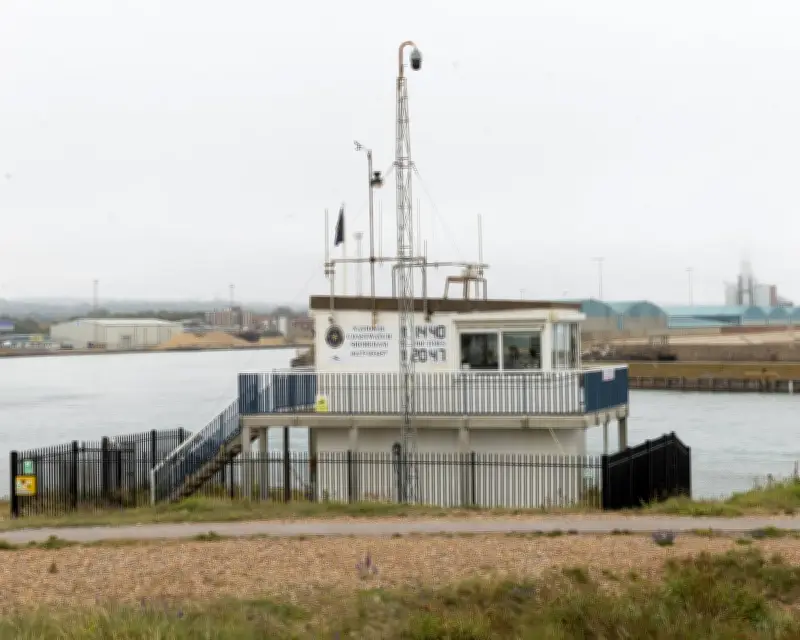
Ray Wicks, a resident of Shoreham-by-Sea in West Sussex, expressed the fears of many: “Where would we be without them? If the coastguard weren’t in place, a lot of people would be in trouble.” His neighbour serves as a coastguard volunteer. Wicks noted that the town is “heaving with people in the summer,” many unfamiliar with local beach dangers, and questioned what would happen if the service weakened. “They should continue to pay these people – it is a vital service and they should be suitably remunerated,” he said.
Coastguard Officers Mobilise
Coastguard rescue officers, supported by the GMB union, are due to meet with MPs in Westminster on 1 July to discuss the issue. Dr Kelly Stockdale, a coastguard rescue officer based on Scotland’s east coast, is coordinating the national response. “We do this job because we care about the communities we live in,” she said, adding that officers have “real concerns about the future of the service long term and what that would mean for these communities if these proposals went ahead.” She hopes the MCA will suspend its plans to stop remuneration in August and engage in talks.
Tragic Reminder of Risks
In May, the bodies of three sisters were pulled from the water in Brighton, about six miles along the coast from Shoreham-by-Sea. The case was cited as tragic evidence of the sea’s dangers. Bethany Coley, a local florist, said: “The coastguard is super important – especially with the weather getting hotter. They deserve to be paid because they do a job, we wouldn’t be saying this about paramedics.” Nikita Allcorn stressed: “In a coastal town, they are just as important as the police.”
Impact on Workforce Diversity
Stockdale emphasised that ending the £11 per hour pay would hinder maintaining workforce diversity, as many officers would struggle to take time off work without compensation. She cited a search and rescue operation for a distressed woman who preferred female officers, noting diversity is crucial for such emergencies. She also highlighted family pressures: “How would I answer to my teenagers when I just drop everything? The pager goes off, and I’ll walk away from family mealtimes.” The pay, though low, “would buy you an ice-cream each to say sorry I missed you,” she said.
Legal Background
In January, Court of Appeal judge Lord Justice Bean upheld a ruling that coastguard rescue officers were workers, not purely volunteers, entitling them to minimum wage and other benefits. The case was brought by former coastguard officer Martin Groom and the GMB union. Instead of complying, the MCA decided to stop paying. The agency said its analysis led it to believe changes were needed, claiming the volunteer model “allows members flexibility to continue to serve alongside their primary employment.” Groom called the decision “political,” saying, “I really believe it is purely on a basis of not wanting to give workers’ rights.”
Alternative Proposals
Some suggest the government could legislate to allow “remunerate emergency volunteers whilst preserving its volunteer status” as an alternative. An MCA spokesperson stated: “We deeply value and recognise the significant service coastguard rescue officers provide along our coastline, and we will be supporting them during this transition. The coastguard rescue service will continue to maintain a robust, effective search and rescue response, ensuring the highest quality of service and levels of safety.”




