
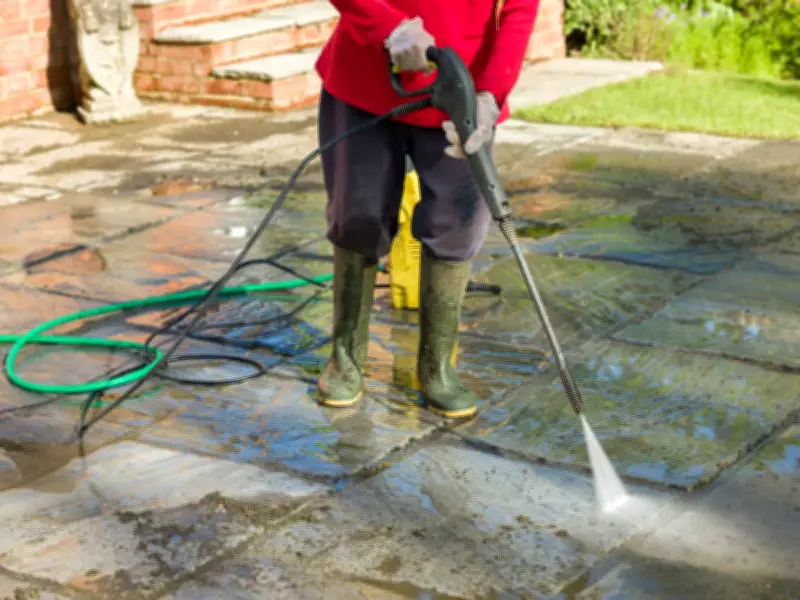
Landscaping specialist Andy Mclaughlin of RF Paving has issued a warning to UK homeowners about the risks of using pressure washers in their gardens this summer. Many believe jet washing is a quick and sufficient way to clean patios and paving, but improper use can cause irreversible damage to certain materials.
Risks of Pressure Washing and Chemicals
Mclaughlin advises avoiding pressure washers on delicate materials like limestone, as the high pressure can erode surfaces or force water into joints. He also warns against using strong industrial chemicals such as brick acid on limestone, as the pH may cause chemical reactions that leave permanent marks.
"It is just knowing which substance can be used on which paving, along with knowing what type of marks need to be cleaned off the surface," Mclaughlin said. "Whilst most domestic products will be fine when cleaning any paving, if a stronger more industrial substance is used, then knowing what type of paving you have is key."
TikTok Cleaning Hacks: A Caution
TikTok users have popularized cleaning hacks using products like The Pink Stuff Cream Cleaner. However, Mclaughlin urges caution: "Whilst most cleaners will work to a certain extent and may not harm the paving itself, consideration should be given to the surrounding areas; like lawns or planted borders, wood, planters, or patio furniture." He notes that even mild cleaners can harm plants if not diluted, and advises following manufacturer instructions and rinsing with water.
Safe Cleaning Methods
For effective and safe cleaning, Mclaughlin recommends a step-by-step approach: clear all furniture, sweep away loose debris, remove moss or weeds with a pressure washer (if appropriate), and allow the paving to dry for a day before re-sanding joints. For patios, he suggests using a product like Lithofin outdoor cleaner applied undiluted with a garden sprayer, left for 2–10 hours, then rinsed. Alternatively, a simple mix of baking soda and water is a safe, eco-friendly, and affordable option.
"Starting with a clear surface free of dirt and debris, remove any organic growth like moss or weeds. These can be removed using a pressure washer, and this will also remove any old sand in between the paving joints," Mclaughlin explained. After cleaning, he advises pouring new sand over the paving and sweeping it into the joints to ensure stability.




