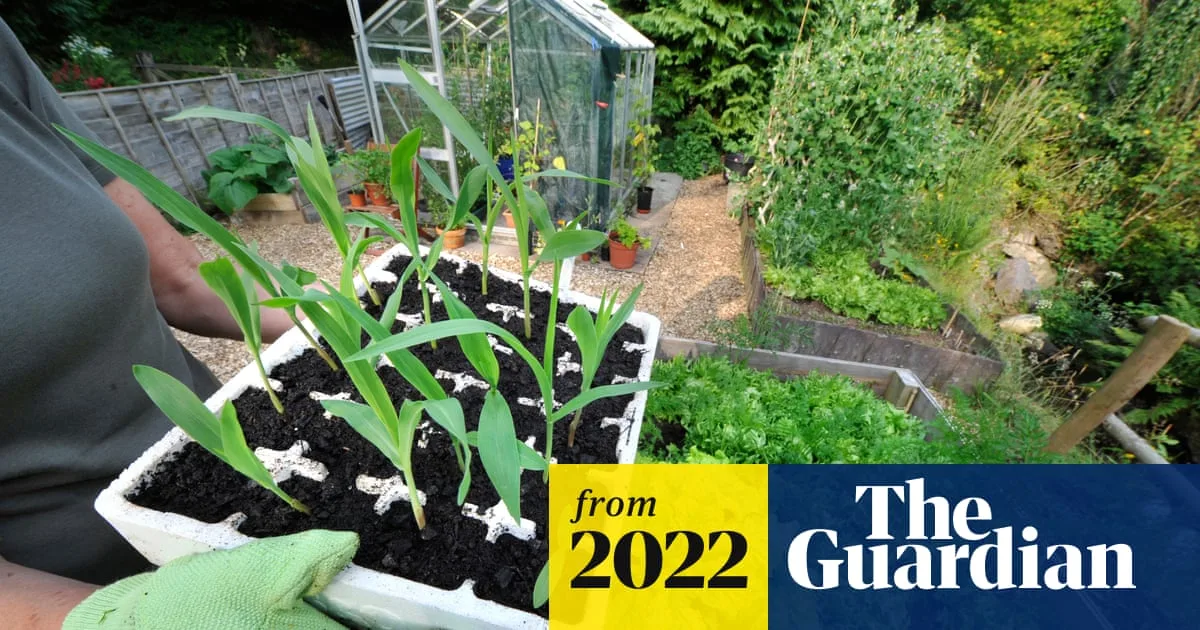
With the cost of living crisis pushing up food prices, many UK households are considering growing their own fruit and vegetables to reduce their weekly shopping bills. However, experts warn that not all homegrown produce guarantees savings, and careful planning is essential to maximise value.
Leigh Hunt, horticulture expert at the Royal Horticultural Society, advises focusing on expensive-to-buy crops such as salad leaves. 'A pillow packet of lettuce costs at least £1, but lettuce and rocket are cheap to grow and can be harvested multiple times by trimming the tops,' he explains. Jane Perrone, host of the gardening podcast On the Ledge, recommends fruit bushes like blackberries and raspberries, which are costly in supermarkets but produce pounds of fruit annually with minimal effort. Surplus berries can be frozen for winter use.
Beans, particularly runner beans, offer good value and freeze well, while asparagus provides long-term savings despite a four-year wait for the first harvest. Perennial vegetables such as Nine Star broccoli require only one planting and yield multiple heads each year. Huw Richards, author of Grow Food for Free, warns against buying seedlings, which cost £3 for six kale plants, whereas seeds offer hundreds of plants for the same price and last several years.
For quick savings, Richards suggests fast-growing crops like lettuce and radishes, which can be harvested in weeks. Herbs such as parsley and coriander are also cost-effective when grown from seed, as they self-seed and provide a perpetual supply. However, Perrone cautions against buying exotic herbs that may not be used regularly, as this can waste money.