In the Kent Weald, wire netting now marks the boundaries of ancient pastures, but for centuries before stock fencing, farmers relied on hedges. These human-made features, planted for enclosure, require maintenance to remain effective. Unmanaged hedges develop holes as trees mature, rendering them useless. The solution is hedge laying, an ancient practice of bending and weaving living wood.
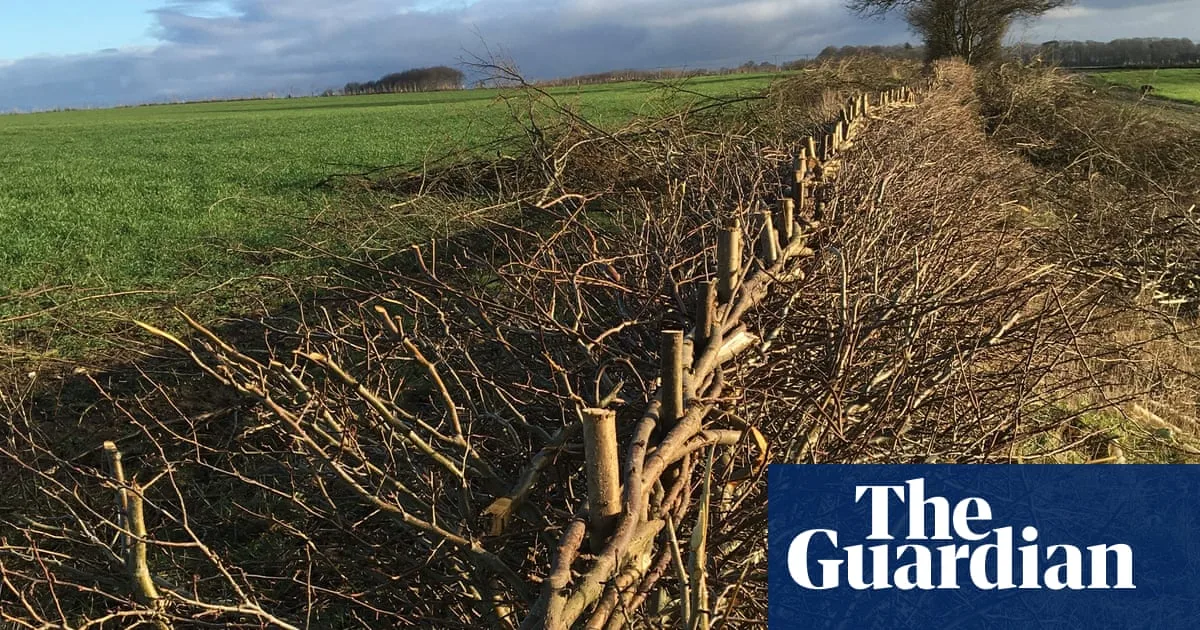
Regional styles vary: Devon hedges on banks are laid low, while the Midland style is high and thick for cattle. Learning the south of England style is straightforward, but proficiency takes years. This morning, I began laying a leggy hawthorn hedge. After clearing undergrowth, I cut each tree almost through at the base with an axe, then bent the pleacher over, still attached to its root, and laid it along the hedge line.
To secure the new barrier against wind and animals, I will drive wooden stakes through its centre and bind it with hazel wands until new growth knits the structure together. A well-maintained hedge can last decades and can be relaid when it fails. Modern hedge laying, however, often aims to reinvigorate hedges as environmental assets for wildlife rather than livestock barriers.
To an onlooker, this work seems romantic—repairing living arteries with ancient skills and simple tools. In reality, it is harsh physical labour in all weathers. Yet the true romance lies in the profound pleasure of looking, cold and exhausted, over a completed section of hedge.