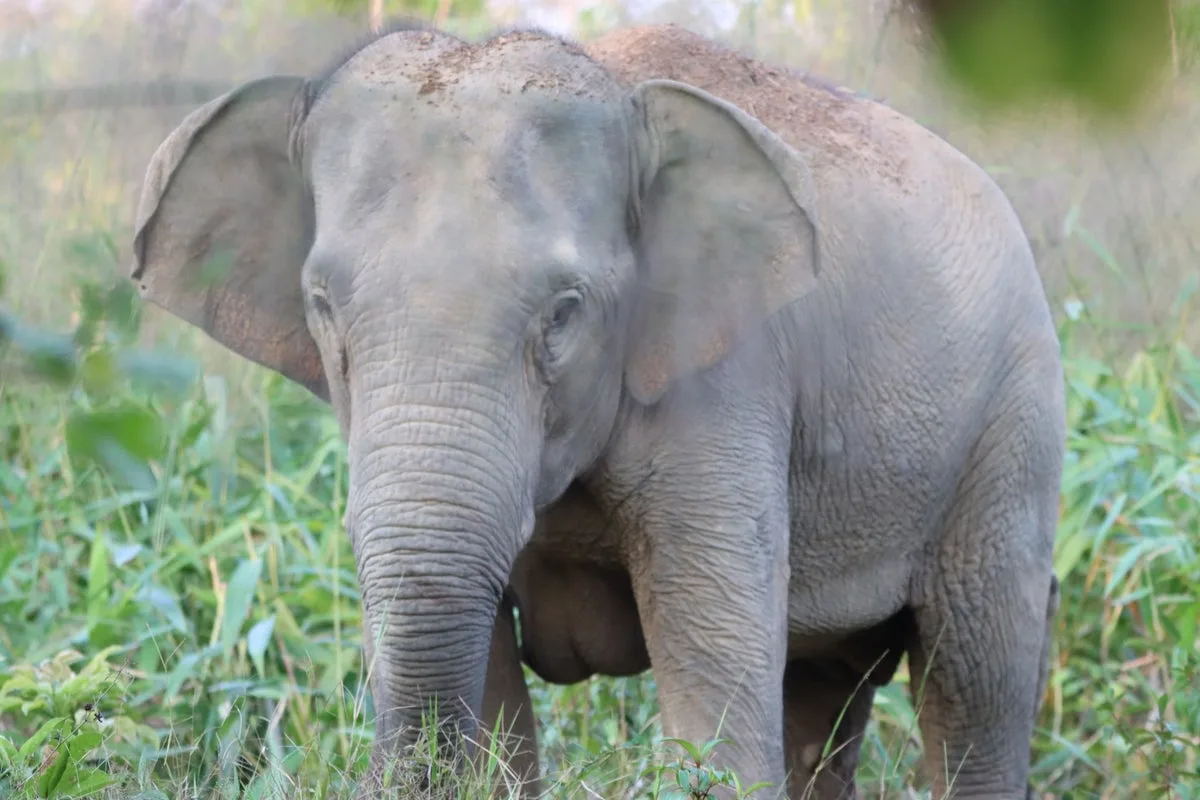
Thailand Deploys Birth Control Vaccine to Manage Wild Elephant Population
Thailand Uses Birth Control Vaccine for Wild Elephants

Thailand Implements Contraceptive Vaccine Program for Wild Elephants

Thailand has commenced a significant initiative to administer a birth control vaccine to wild elephants, aiming to address escalating conflicts between human settlements and animal populations. This strategic move targets regions where agricultural expansion increasingly encroaches upon forest habitats, forcing elephants into closer proximity with communities.

Addressing Deadly Human-Elephant Encounters

As farmers clear forests to create additional farmland, elephants are compelled to venture beyond their diminishing natural environments in search of sustenance. Official statistics reveal that during the previous year, wild elephants were responsible for thirty human fatalities and twenty-nine injuries across Thailand. Furthermore, authorities documented over two thousand incidents involving elephants damaging agricultural crops.

Sukhee Boonsang, Director of the Wildlife Conservation Office, emphasized to The Associated Press that managing the wild elephant population has become imperative as numbers near residential zones surge dramatically, elevating confrontation risks. The office acquired twenty-five doses of an American-manufactured vaccine and conducted a comprehensive two-year trial involving seven domesticated elephants, utilizing seven vaccine doses with encouraging outcomes.

Wide Pickt banner — collaborative shopping lists app for Telegram, phone mockup with grocery list

Vaccine Mechanism and Implementation Strategy

The contraceptive vaccine operates by preventing egg fertilization in female elephants without inhibiting ovulation. In late January, authorities administered the vaccine to three wild elephants in eastern Trat province. Officials are currently evaluating which additional areas to prioritize as they prepare to utilize the remaining fifteen doses.

This innovative vaccine provides pregnancy prevention for seven years, with elephants regaining reproductive capability if they do not receive a booster following this period. Experts will conduct meticulous monitoring of vaccinated elephants throughout the entire seven-year duration.

Conservation Concerns and Targeted Approach

The vaccination campaign has attracted criticism from some quarters, with concerns that it might potentially undermine broader conservation objectives. Thailand maintains a centuries-old tradition of employing domesticated elephants for agricultural and transportation purposes. Elephants constitute a fundamental component of Thailand's national identity and have been formally designated as an official national symbol.

Sukhee clarified that the program exclusively targets wild elephants inhabiting regions experiencing the highest incidence of violent human-elephant conflicts. Official data indicates these areas demonstrate an annual wild elephant birth rate of approximately 8.2%, more than double the national average of around 3.5%. Approximately eight hundred of Thailand's estimated 4,400 wild elephants reside within these conflict-prone zones.

"If we fail to implement appropriate measures, the consequences for residents in these areas will continue escalating until they become unmanageable," Sukhee asserted.

Comprehensive Conflict Mitigation Measures

Beyond the contraceptive vaccination initiative, authorities have enacted multiple additional strategies to reduce human-elephant conflicts. These measures include establishing supplementary water and food sources within elephant habitats, constructing protective barriers, and deploying specialized rangers to guide stray elephants back into wilderness areas.

Recent Controversy Surrounding Elephant Relocation

A court-ordered operation earlier this month to relocate wild elephants that had repeatedly clashed with local communities in northeastern Khon Kaen province generated substantial public controversy following the death of one elephant during the transfer process. Preliminary autopsy results indicated the elephant succumbed to choking after receiving anesthesia prior to relocation.

The Department of National Parks, Wildlife and Plant Conservation executed the relocation effort. Director General Athapol Charoenshunsa expressed profound regret regarding the incident while maintaining that established protocols were properly followed. He confirmed that an investigation has been initiated to prevent similar occurrences in future operations.

Pickt after-article banner — collaborative shopping lists app with family illustration