Gardeners are being urged to stop harvesting rhubarb in July to avoid thinner stalks next year, according to gardening expert Mertie Mae, founder of Horticulture Talk. Rhubarb is a hardy perennial, but persistent harvesting in summer depletes the plant's energy reserves, leading to weaker growth.
Why July Is Critical for Rhubarb
Mertie Mae explained: "Allowing the plant to grow for the rest of the summer will give it the sugars and nutrients needed to get it through the winter and allow it to produce well the next year." Rhubarb relies on rhizomes—underground stems that store sugars and nutrients—to survive cold temperatures and regenerate in spring. If stalks are continuously picked, the plant cannot replenish these reserves, causing stress and disrupting its natural growth cycle.
Consequences of Over-Harvesting
Continuously harvesting rhubarb leaves the plant significantly depleted of energy. As a result, it becomes far less likely to produce stalks the following year, and any crop it does yield will be thin, small, and potentially bitter. In some cases, the plant may be too feeble to endure winter and might fail to return in spring.
July is also typically a dry period, placing rhubarb under additional strain. Stalks developing at this time are less succulent and flavoursome. Mertie Mae noted: "The lower amount of available water and the lower amount of sugar (because the reserve from the previous year has been used in spring) make the stalks thin and of a poorer quality."
How to Care for Rhubarb in Summer
To maintain a healthy rhubarb plant, gardeners should leave it undisturbed and allow it to grow naturally. However, they should continue to remove any flowers that appear, as these divert energy away from the roots and prevent the plant from building up winter reserves. Regular watering—at least once a week, or whenever the soil feels dry—is also essential during hot, sunny months.
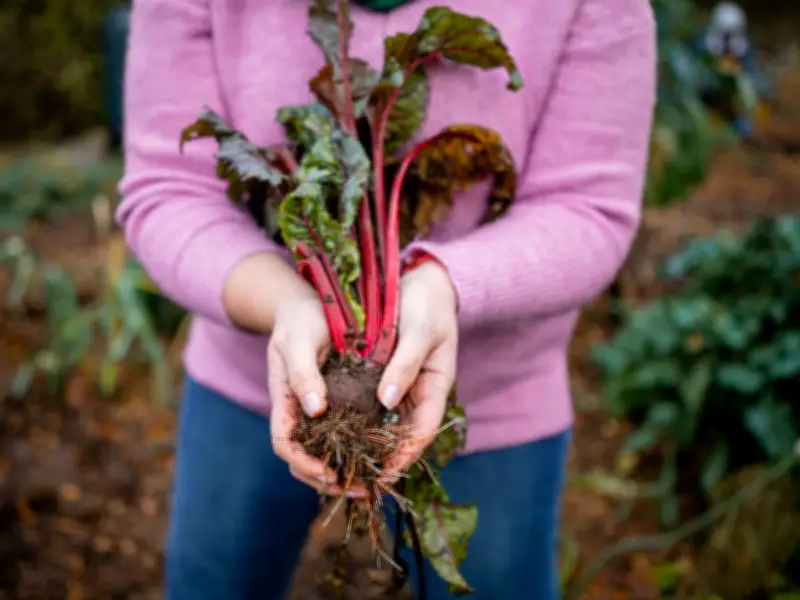
Leaving rhubarb to die back and tend to itself will reward gardeners with a flourishing plant next spring, producing thick, red stalks for harvest. This low-maintenance approach allows gardeners to relax in summer while ensuring a bountiful crop the following year.