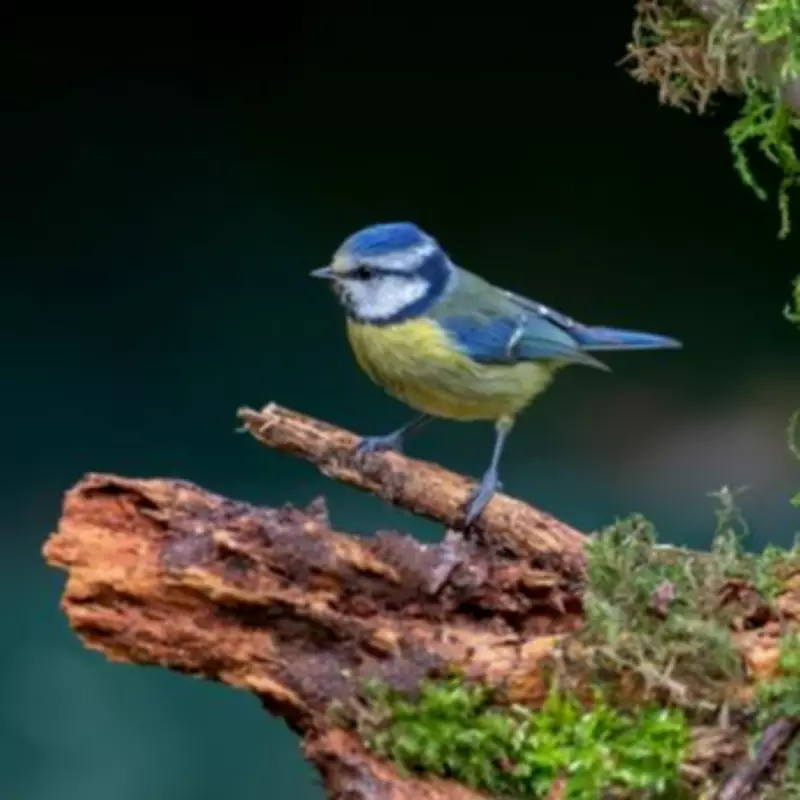
Critical Spring Task to Safeguard Blue Tits and Garden Birds from Deadly Infections
As spring sunshine brightens gardens and the morning chorus of birdsong returns, many gardeners eagerly anticipate watching blue tits dart across their lawns. However, a common oversight with bird feeders could silently threaten these beloved feathered visitors, turning welcoming garden features into potential death traps.
The Hidden Danger in Your Garden
While bird feeders, bird baths, and bird tables are popular additions to gardens, they can rapidly accumulate harmful bacteria and fungal spores. According to reports from Gardener's World via the Express, these contaminants can quickly transmit infections among garden birds, posing a significant risk during the crucial spring mating season when birds are building reserves.
This makes regular cleaning an essential, life-saving task for protecting blue tits and other avian species.

Step-by-Step Guide to Safe Bird Feeder Cleaning
To effectively eliminate dangerous pathogens, follow this thorough cleaning procedure using simple household items:
- Begin by putting on rubber gloves and emptying all seeds or pellets from the feeder. Dispose of this old feed properly, as it may be contaminated with harmful bacteria.
- Using hot soapy water and a brush, scrub the feeder thoroughly to remove any leftover food particles and bird droppings.
- Rinse the feeder with cold water, preferably using an outdoor tap if available.
- Allow the feeder to air dry completely before proceeding to the next step.
- Apply a veterinary disinfectant spray to ensure elimination of any lingering bacteria or fungal spores.
- Give the feeder one final rinse with cold water and let it dry completely before refilling with fresh bird feed.
Additional Protective Measures
Beyond regular cleaning, gardeners should implement additional strategies to minimize disease transmission:
- Relocate bird tables periodically around the garden to prevent pathogens from accumulating in any single location.
- Maintain a consistent cleaning schedule, particularly during peak bird activity periods in spring and autumn.
- Monitor feeders for signs of mold or spoilage between cleanings and replace contaminated feed immediately.
By completing this vital gardening task now, you can enjoy watching blue tits and other garden birds flourish throughout the spring season, secure in the knowledge that your feeders provide nourishment without the threat of disease. This simple maintenance routine ensures your garden remains a safe haven for wildlife during this critical period of renewal and growth.