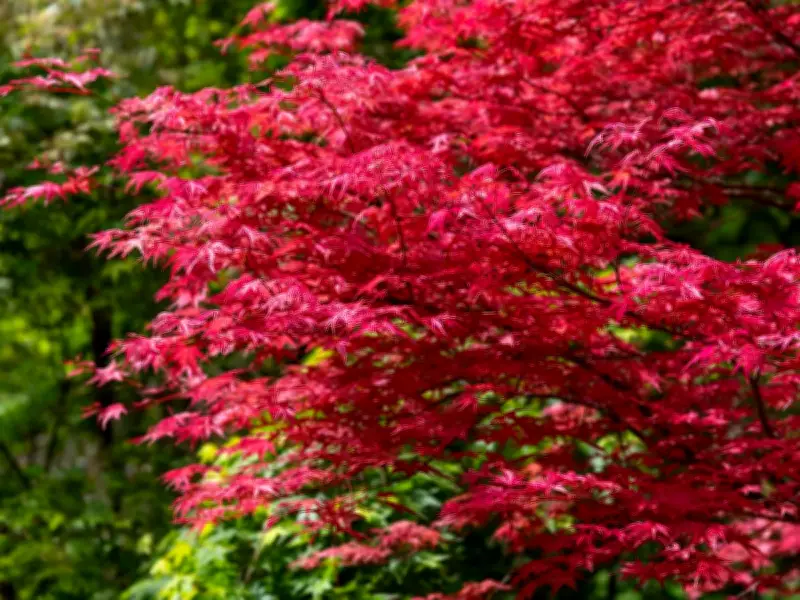
Gardeners who love Japanese maples for their autumn display may find an even more rewarding option in the sourwood tree, which offers year-round beauty with minimal effort. While Japanese maples are known for their vibrant autumn foliage, they can be tricky to grow. Sourwood, however, brings its own charm with fragrant summer flowers, spectacular autumn colours, and attractive winter structure, according to experts at Gardening Know How.
What Makes Sourwood Stand Out
Sourwood (Oxydendrum arboreum) features slender leaves and naturally graceful branching, creating a gentle, woodland-like feel that suits naturalistic garden designs. In early to midsummer, it produces "drooping clusters of fragrant bell-shaped flowers" that "resemble lily-of-the-valley flowers," according to the experts. These nectar-rich blooms are loved by pollinators, and after flowering, the tree develops small seed pods that persist through winter, providing interest and supporting wildlife.
The gardening experts described sourwood as having "glossy summer foliage, fragrant white flowers, spectacular autumn colours, and attractive winter structure," giving it plenty to offer throughout the year, especially for those wanting to support pollinators without sacrificing ornamental impact.
Growing Requirements and Soil Testing
Sourwood is low-maintenance, tolerating drought and varying light conditions without excessive watering. However, it prefers acidic, well-drained soil and struggles in alkaline soil or waterlogged spots. Gardeners should check soil pH before planting.
In the UK, soil pH ranges from 3.5 (strongly acidic) to 8.5 (strongly alkaline), with seven being neutral. To test soil, use a testing kit and collect samples from areas not recently treated with fertiliser or compost, as these can affect results. Remove rocks and twigs, place the sample in the tube, add the chemical solution, shake, and let it settle. Once the liquid clears, match its colour to the chart to determine pH level.