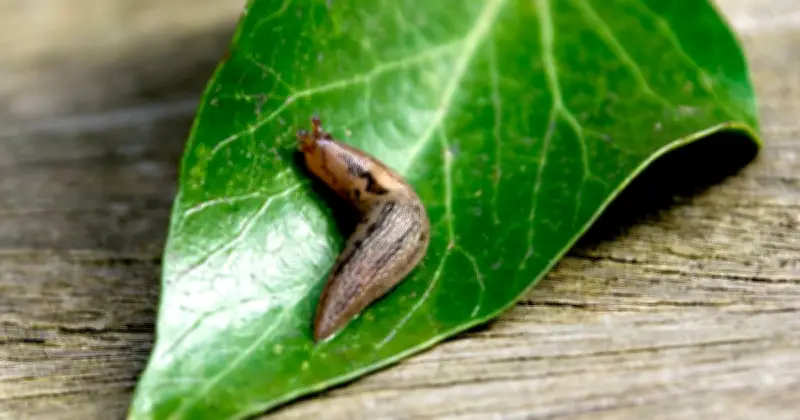
Snapdragons are a beautiful flower that slugs avoid, making them an effective natural deterrent in gardens. The plants generate compounds that are toxic to slugs but completely safe for humans, according to gardening experts.
Why Snapdragons Deter Slugs
Snapdragons hold less moisture than other plants and have a tough, leathery texture. This makes a garden seem less appealing to slugs, which then become more likely to leave the area. They work best when planted close to vulnerable crops such as lettuces, cabbages, or other greenery that slugs typically target, and should also be positioned along garden pathways and perimeter fencing.
Jane, a gardener and founder of Snap Dragon Life, discovered this accidentally. She explained: "I planted out my rows of carefully nurtured seedlings - cornflowers, marigolds, poppies, cosmos, nigella, snapdragons. Within two days, the slugs had eaten everything but the snapdragons. Slugs don't like snapdragons."
Alternative Slug Control Methods
Chemical pellets are a common method, but horticultural experts caution against them as they can harm pets and wildlife that naturally control slug populations, including birds and hedgehogs. Instead, traps using beer or cereal offer effective alternatives.
Jane recommended a beer trap: "Slugs love beer, any beer, even the terrible beer that people bring to parties, even failed home-brew. Save small jars or pots (single yoghurt pots work fine) and bury them up to their necks between where the slugs are likely to be living and your plants."
Pour beer into the containers, and slugs will be attracted to it instead of plants. They find it difficult to climb out and die, making it a simple yet effective technique.
Cereal Trap as a Backup
If beer is unavailable, cereal works equally well. When exposed to the elements, it ferments mildly, becoming highly appealing to slugs. Jane said: "The only thing better than beer in the mind of a slug is cereal. They can't resist it. Rather than using piles of bran which can get messy, I use cheap own-brand Weetabix-type cereal and again place it between the slugs and the crops."
Pour the cereal into a large container, wait for slugs to gather, then either pick them out by hand or discard the whole container. Jane added: "This is the way that I dealt with slugs in my first garden - logging the numbers in a weird serial killer-y garden notebook. I stopped counting when I got past 4,000. It is less messy if you combine it with the Weetabix technique. Simply leave the Weetabix for three days and then go out at night and collect up all the Weetabix that should by now be covered with feasting slugs."