New government figures reveal a sharp increase in rough sleeping in Liverpool, with those affected expressing deep despair. The data shows that in March 2025, 124 people were counted as sleeping rough on the city's streets. By March 2026, that number had surged to 197, a 59% rise. Liverpool now has the highest rate of rough sleeping in the North West and the third highest nationally.
Personal stories of loss and struggle
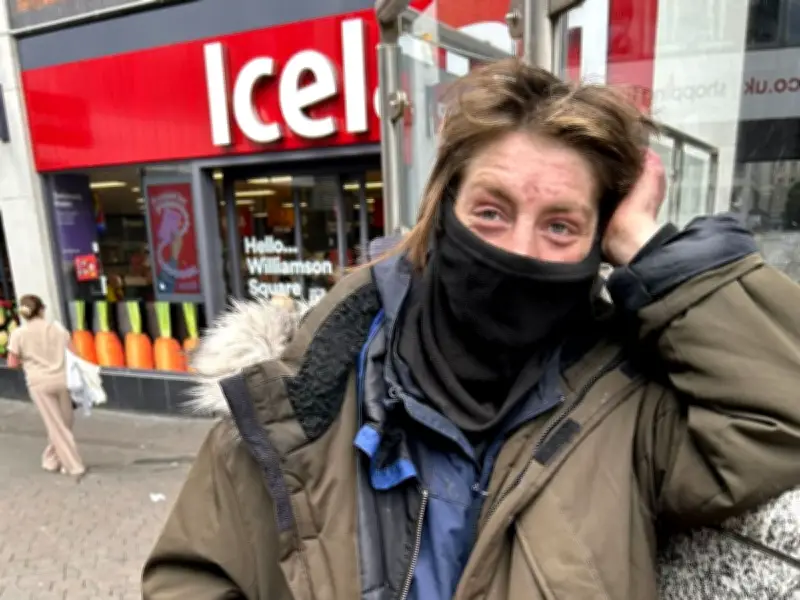
Corinna, 45, has been homeless and sleeping rough in Liverpool for four months. She believes secure housing is the first step to rebuilding her life. "I lost my son to a motorbike accident, he was only 17. I spiralled after that," she explains, sitting on the floor near Williamson Square. "Mental health is a really big issue and grief is a strange emotion. I don't think mental health is discussed enough in this country."
Jade, 24, has been homeless since leaving care at age 16. She is on a waiting list for a space at Ann Fowler House, a supported living centre run by the Salvation Army. "I'm asking for help and I am looking for accommodation, but I am always on a waiting list," she says. "Accommodation is the main thing. You can't do anything without it, you can't get a job, you can't get back on your feet."
Housing crisis drives numbers up
The rise in rough sleeping stems from multiple factors, including trauma, addiction, and mental health issues. However, a key driver is Liverpool's housing crisis. An estimated 14,000 people are on the waiting list for social housing. Soaring rents, evictions, and a lack of new social housing have created a perfect storm. Everyone spoken to on the streets said getting a place to live could help them get back on their feet, but none felt optimistic it would happen soon.
Danger and invisibility on the streets
Corinna describes the dangers of being a woman on the streets. "You have to know where to go and keep yourself to yourself. Some people can be arrogant and rude towards you, but there are plenty of nice people who want to help you as well." She visits the council every Monday to check on her housing application but finds the waiting tedious.
Jade also faces danger. "My mum was homeless as well. It can be dangerous. I'm used to it now," she says. "I've had bottles thrown at me, been swilled with pi**, all sorts." Recent soaring temperatures have made life even harder. "It has been really tough. I would honestly rather it was pi**ing it down. It can be really horrible when you can't escape the heat."
Gary's story: lost job, home, and hope
Gary, 42, stands on Lord Street with a dirty duvet around his neck. "This is all I have got in the world," he says. "And I can't put it down because it will get nicked." He lost his job as a bricklayer after falling off a ladder and injuring his knee, leading to the loss of his relationship and flat. He has been homeless for eight years.
"You just don't get any help from anyone. People come round and talk to you and say someone will be in touch, but nothing happens. I haven't even got a phone," Gary says. He has been waiting years for a hostel place. Recently, a youth kicked him in the mouth, knocking out teeth. "When you're on the streets it's so hard. You become invisible to people, they won't even look at you or even give you the time of day." He adds, "I just feel forgotten about now. I might as well be dead now."