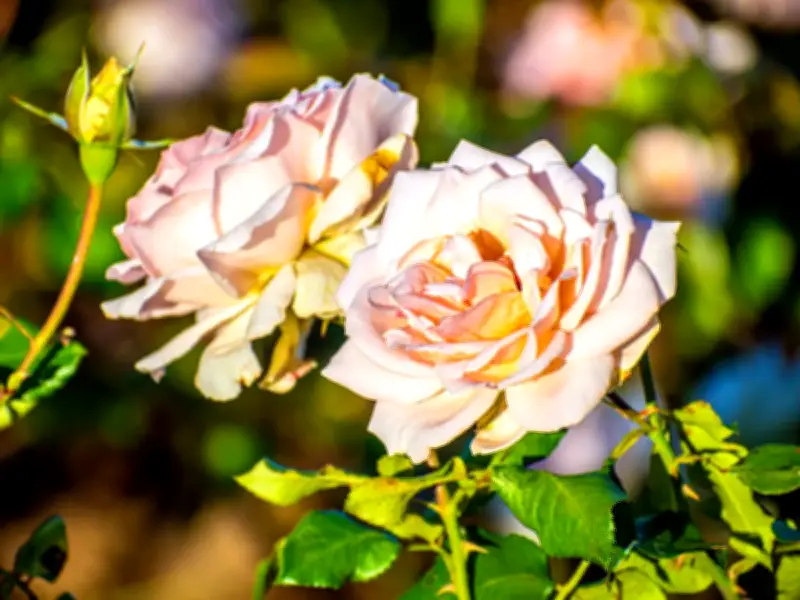
Gardeners are being urged to inspect roses closely this November, as a serious fungal disease can attack leaves and greatly reduce plant vigour. The condition, known as black spot, is caused by the fungus Diplocarpon rosae and can spread uncontrollably, but a simple five to ten-minute job can help tackle it.
What is black spot disease?
At this time of year, roses can be particularly vulnerable to disease. William Mitchell, a gardening specialist at Sutton Manor Nursery, described black spot as “by far the most dangerous disease that a rose can get.” He explained that the fungus attacks the leaves and greatly reduces plant vigour.
Black spot typically starts as dark patches on the leaves, black or deep brown, sometimes with a purplish tinge. These patches have a slightly ragged edge and often display a yellow ring around them. They usually appear on the lower leaves, those closest to the ground where rainfall and water splashes can carry fungal spores up from the soil.
How to stop black spot disease
Over time, these patches grow larger and can merge into bigger areas, causing leaves to turn yellow and drop off. When this happens, the rose loses a considerable amount of its leaf surface, which it needs to soak up sunlight and generate energy.
Mitchell instructed that “clearing away these leaves that have been affected by black spots is vital.” He added, “This is because the diseases can spread uncontrollably and can even reinfect when the following spring comes along.” Removing the affected leaves and pruning out any infected stems should be a five to ten-minute job.
Gardeners should keep pruning shears and tools clean and disinfected, wiping them down with alcohol or another good disinfectant to prevent spreading fungal issues from one plant to the next. Once the leaves have been removed, the expert advises: “Dispose of these infected leaves as quickly as possible to make sure that the fungal disease does not spread throughout the garden.”
Avoid tossing them onto a compost heap, as this allows the fungus to make its way back to the plants the following season. Instead, bag them up or add them to green waste for proper disposal.