
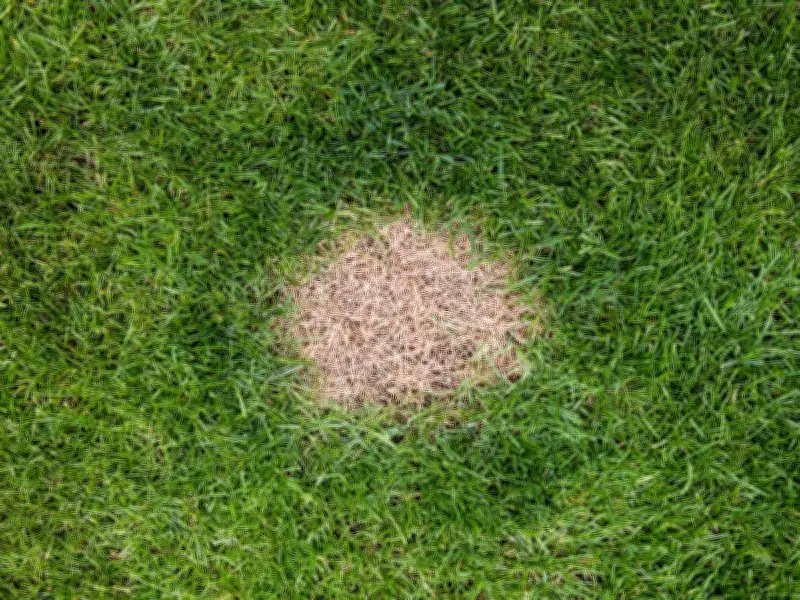
Gardeners are being urged to remove fallen leaves from their lawns this autumn to prevent unsightly brown patches, according to a gardening specialist.
Expert Warning on Fallen Leaves
Gardening specialist and TikTok creator Michael Griffiths issued a warning to gardeners, highlighting an often-neglected task that could prove damaging to their garden's wellbeing and longevity. He encouraged gardeners to take another look at any fallen leaves that have landed on garden lawns.
In a recent video, Michael said: "I hate to tell you this, but you're about to have a load of people telling you to leave the leaves, but that's not always a good idea."
How to Prevent Brown Patches on Lawns
While leaves dropping from trees during autumn pave the way for fresh growth next year, leaving them where they fall can cause more damage than benefit to garden lawns, Michael contends. If leaves drop straight onto soil, they can remain undisturbed, serving as a protective mulch layer for plants and providing shelter for wildlife.
However, if large quantities of leaves cover a lawn, intervention is necessary. Michael explained: "But if they land on your lawn and you leave them, you'll end up with dead, brown patches, as they'll stop the sunlight and air reaching the grass."
Gardeners are advised to gather up the leaves or use a leaf blower to clear them away. If the leaf blower features a vacuum setting, sucking them up is an even more effective method of disposal. The fallen leaves can be used to create compost that can be used as leaf mould or spread across border plants.
Impact of Leaves on Grass Health
Fallen leaves cause brown patches on lawns by obstructing sunlight, retaining moisture, and limiting airflow, which suffocates the grass and encourages fungal development. Fallen leaves can deprive the grass of light, even throughout the colder, darker months.
Grass requires light to carry out photosynthesis and generate energy. A thick layer of leaves blocks this light, weakening and discolouring the grass blades beneath, ultimately resulting in brown lawns. Leaves can also retain moisture in the soil, particularly when the leaves are wet, creating a heavy and dense barrier that prevents the soil from drying out properly.
This generates a waterlogged microclimate that encourages moss growth and decay in both the grass and soil. While the leaves trap moisture, they simultaneously restrict airflow to the ground. By suffocating the grass roots, the turf gradually deteriorates, leaving behind bare or brown patches. Ultimately, all of these combined factors can lead to fungal diseases taking hold in the soil beneath the leaves.
The dark, damp, and compressed conditions under wet leaves provide the perfect environment for soil and grass diseases to thrive. According to the RHS, autumn is in fact the "ideal time" to address any damage to your lawn. Hot and dry weather, fungal diseases, pets and pests are amongst the key culprits that can leave grass looking worse for wear.
Hillary Thompson, horticulturist and director at Super-Sod, told Homes & Gardens: "Leaves trap moisture, acting like a mulch over the lawn. Even though leaf mulch benefits planting beds, it doesn't work for lawns because trapped moisture can cause diseases to thrive."




