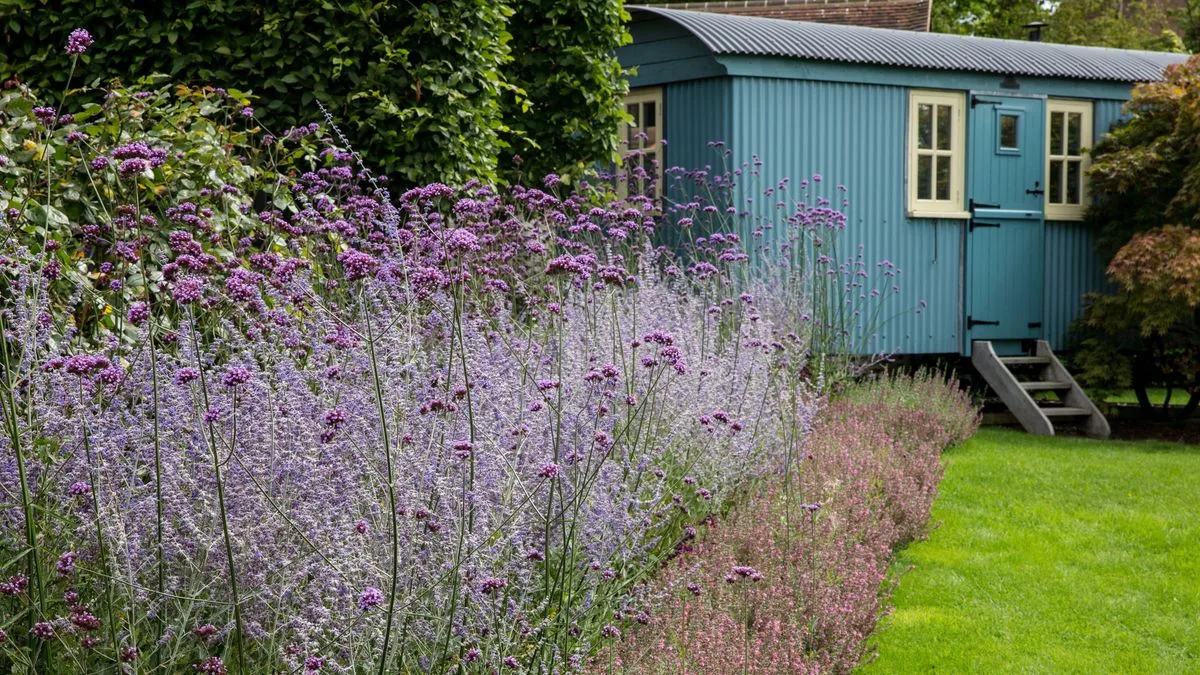
Gardeners Urged to Prune Lavender Before March Ends for Abundant Blooms
Prune Lavender Before March Ends for More Flowers

Garden enthusiasts seeking a more spectacular display of lavender blooms this season must complete one crucial gardening task before the close of March. According to leading horticulture specialists, performing a timely trim not only promotes an abundance of flowers but also prevents the plants from becoming excessively woody at their base.

The Importance of Timely Lavender Pruning

Lavender remains a perennial favourite in British gardens, prized for its fragrant blooms and resilient nature. However, many gardeners find their plants fail to produce the lush, vibrant flowers they desire. This common issue often stems from improper or neglected pruning, which can lead to sparse, elongated shoots with limited foliage and diminished blooming potential.

Expert Recommendations for March Care

Consistent pruning is essential for maintaining lavender's compact shape and enhancing the plant's overall vitality. The horticulture team at Ashridge Trees emphasises that the initial trim should be completed during March to prepare plants for the summer growing season.

Wide Pickt banner — collaborative shopping lists app for Telegram, phone mockup with grocery list

"This tidies up your plants for summer, removing tatty winter growth, and encourages lots of flowers," the experts explained. They further cautioned that delaying this pruning task would "delay flowering, reducing the total amount of flowers over the season."

Renowned gardening professional Sarah Raven concurs, noting that proper lavender pruning will "improve flowering" while preventing the plant from becoming "woody."

Understanding the Pruning Process

March represents the ideal moment for a light trim of lavender plants. Gardeners should reserve the more substantial hard prune for after the flowering period concludes, typically around August. This two-stage approach ensures optimal plant health and flowering performance throughout the growing season.

Avoiding Common Pruning Mistakes

While it might be tempting to give overgrown lavender a severe cutback, experts warn against cutting too deeply into the old wood. Pruning back to the leafless, woody sections could potentially kill the plant, especially if it fails to produce new growth from these areas.

The degree of woodiness depends largely on the plant's age and previous care. Well-maintained lavender that has received regular pruning in past seasons will generally exhibit less woody growth than neglected specimens.

Step-by-Step Guide to March Lavender Pruning

Follow these straightforward steps to ensure successful lavender pruning this month:

  1. Select individual stems and examine their structure. Each should feature a woody base with leafy growth above it.
  2. Using clean, sharp secateurs or shears, make your cut approximately two to three inches above the woody base within the leafy portion of the stem.
  3. You can trim multiple stems simultaneously, but remember the crucial rule: avoid cutting into the woody part of the stems.
  4. When shaping your plant, create a rounded form by pruning outer stems slightly shorter than those in the centre.
  5. Remove any dead, frost-damaged, or diseased branches completely to maintain plant health.

By completing this essential gardening task before March concludes, lavender enthusiasts can look forward to healthier plants and significantly more abundant blooms throughout the coming flowering season.

Pickt after-article banner — collaborative shopping lists app with family illustration