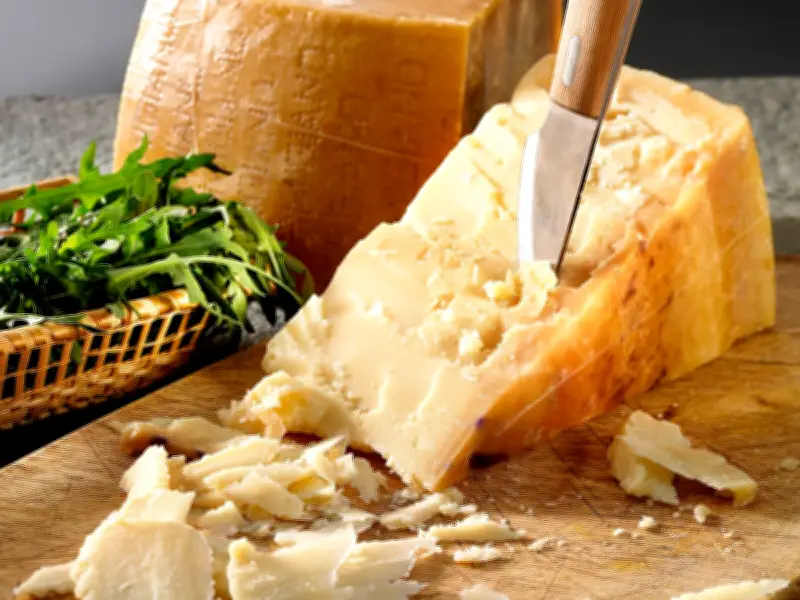
Parmesan and Pecorino are both popular Italian hard cheeses used for grating over pasta, but they are very different in flavour, milk source and uses. Understanding these differences is key to authentic Italian cooking.
What is the main difference between Parmesan and Pecorino cheese?
The fundamental difference lies in the milk. Parmesan is produced from cow's milk, resulting in a nutty, sweet, savoury profile. Pecorino Romano is crafted from sheep's milk, delivering a sharper, tangier, saltier, more pungent flavour. This variation in milk forms the foundation of their contrasting tastes.
How do the flavours differ?
The flavours are distinctly distinguishable. Parmesan is nutty, fruity, savoury and moderately sweet, boasting a rich umami quality and a sophisticated, well-rounded taste that's pronounced yet not overpowering. Pecorino is considerably sharper, saltier and more acidic, with a pungent, tangy kick derived from sheep's milk. Pecorino Romano is therefore the saltier, sharper and more intense of the two, while Parmesan is the nuttier, sweeter and more mellow option.
How to use Parmesan and Pecorino cheese in cooking
Both cheeses are commonly grated over pasta and other dishes, though the choice carries real significance in Italian cuisine. Parmesan's nutty, savoury and less salty nature lends itself to an extensive variety of recipes, from risottos to creamy sauces to finishing touches on almost anything — making it the go-to, all-purpose grating cheese. Pecorino Romano's saltiness and sharpness are fundamental to certain classic Roman pasta dishes — cacio e pepe, creamy carbonara and amatriciana — where its salty bite is absolutely crucial. For these Roman staples, Pecorino is the traditional choice; for everyday use and more delicate dishes, Parmesan is preferable. Some cooks combine both to strike a balance between saltiness and depth.
Can you substitute one for the other?
Given their comparable roles, cooks occasionally swap one for the other. Substitution is possible, though the outcome will vary: replacing Pecorino with Parmesan produces a milder, less salty and nuttier result, and may require additional seasoning. Pecorino rather than Parmesan delivers a saltier, more pronounced outcome, so reduce salt quantities elsewhere. A mixture is a typical middle ground. Replace if necessary, but anticipate a different flavour profile.