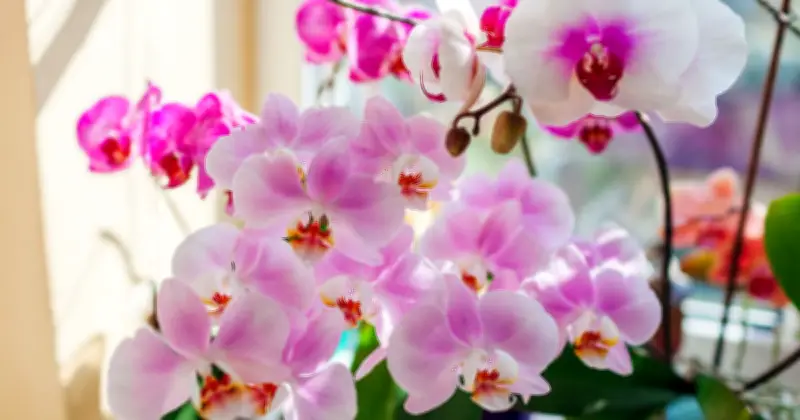
Orchids losing their flowers prematurely is a common frustration, but experts say the biggest mistake is overwatering. Getting watering and temperature conditions right can keep blooms healthy for longer.
Overwatering is the top mistake
Lucy Hook, plant and floral lead at Bloom & Wild, said: “Overwatering can be one reason orchids lose their blooms early. While it’s tempting to give your plant an extra drink, too much water can leave the roots sitting in moisture, which can lead to root rot.” She advised trimming rotten roots and repotting in fresh orchid mix, and checking dampness with a finger or wooden toothpick.
David Denyer, gardening expert at eflorist, called overwatering one of the “biggest mistakes” people make. He said roots need air as well as moisture, and constant sitting in water can cause rot, making it hard for the plant to absorb water and nutrients. Monique Kemperman, horticultural expert at the Plants & Flowers Foundation Holland, added: “Orchids hate sitting in water, so let any excess drain away after watering and never leave the pot standing in water.”
Mike Waller, principal ecologist at Environment Bank, noted both underwatering and overwatering can cause problems, as insufficient water deprives developing flowers of moisture while waterlogged compost damages roots.
Temperature stress triggers bud drop
Sudden temperature changes, cold draughts, insufficient light, and proximity to radiators can cause buds or blooms to drop early, Denyer said. Waller explained that Phalaenopsis orchids originate from tropical and subtropical Asia, where conditions are warm, humid and stable, so moving them into homes exposes them to environmental changes.
He added: “Sudden temperature fluctuations, cold draughts from windows, proximity to radiators and changes in position can all trigger bud drop. Low humidity, particularly in centrally heated homes during winter, can also cause developing buds to shrivel and fall.” Other factors include inadequate light, direct sunlight, ethylene gas from ripening fruit, pests such as thrips and aphids, and even the shock of bringing a newly purchased orchid home.
However, flower loss is not always a problem. Hook noted orchids have a natural blooming cycle of around three months, so dropping flowers after this is normal. Denyer added that if a plant has been flowering for several weeks or months, some flowers dropping off is completely normal.
How to keep orchids blooming longer
Hook recommended choosing a pot with plenty of drainage holes and allowing excess water to drain after watering. Monique Kemperman advised finding a “happy spot” for the orchid and keeping it there: “Keep yours somewhere bright with indirect light, away from radiators and chilly windows or doors. Once it’s settled, avoid moving it around too much.”
Jo McGarry, gardening expert at Earlswood Garden Centre, said to keep orchids away from open windows, external doors, air conditioning vents and radiators to avoid sudden temperature changes. She said: “Keeping conditions as consistent as possible helps reduce this stress and gives the flowers a better chance of lasting longer.”
Denyer also suggested an ice cube watering hack to control moisture. He explained that research has found ice-cube watering can be a safe and effective method for moth orchids when done correctly, providing a measured amount of water released gradually as the cubes melt, with no significant damage observed to the roots of healthy moth orchids.