Gardening Experts Outline Precise Lawn Mowing Frequency for the Growing Season
With the winter months firmly behind us, homeowners across the United Kingdom are turning their attention to garden maintenance, particularly the task of lawn care. After a period of notably wet weather at the beginning of the year, it is crucial to time your mowing correctly to avoid causing long-term damage to your grass.
When to Start Mowing and How Often to Cut
Gardening professionals generally concur that mid-March marks a safe point to resume regular lawn mowing activities. However, the frequency of cutting is not a one-size-fits-all matter. According to the Royal Horticultural Society (RHS), the ideal mowing schedule depends on several key factors: the desired aesthetic of your lawn, prevailing weather conditions, and the natural growth rate of your grass.
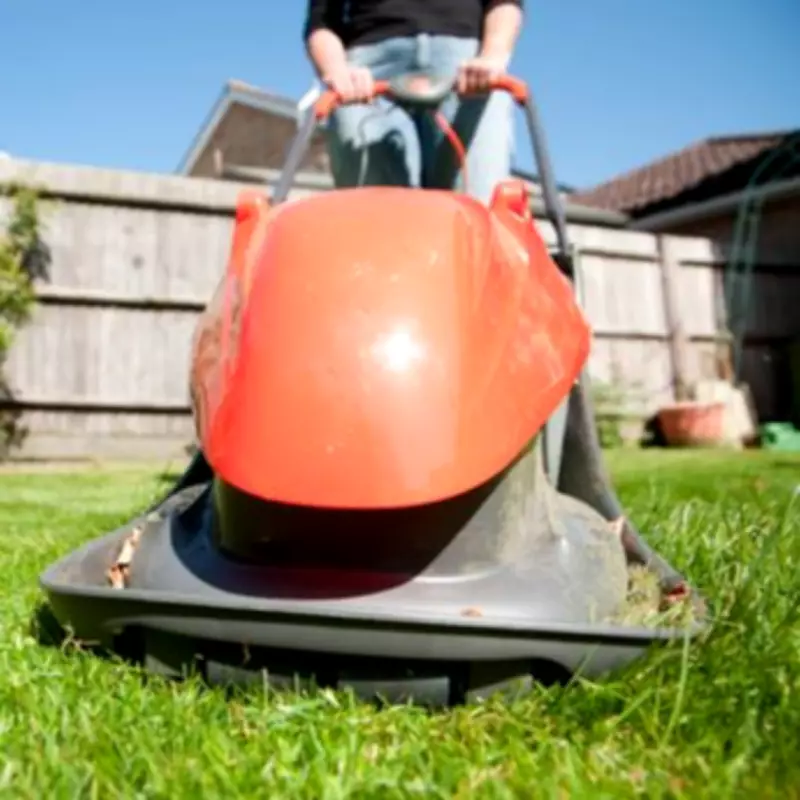
For those aiming to maintain a traditional, neat lawn, the RHS recommends mowing on a weekly or fortnightly basis from the present time through to October. This consistent approach not only ensures a tidy appearance but also plays a vital role in weed suppression and promotes the development of a denser, more resilient turf.

Adjusting Your Mowing Routine for Seasonal Variations
During the peak summer months, a weekly mowing schedule is typically advisable. However, it is essential to be flexible and reduce the frequency to once every two weeks, or even less often, during extended dry spells when grass growth naturally slows. The RHS provides specific advice for alternative lawn styles: flower-rich lawns benefit from being cut every four to six weeks, while long-grassed lawns should only be mowed once or twice over the summer, ideally not before June.
Furthermore, areas of your garden that receive less sunlight and moisture, such as dry, shaded patches beneath trees, will require less frequent mowing compared to well-lit, well-watered sections.
The RHS 'No Mow May' Initiative and Beyond
In a significant environmental recommendation, the Royal Horticultural Society advocates participating in 'No Mow May'. This initiative involves ceasing all mowing activities in early May, allowing wild plants already present in the lawn to grow and flower. This practice adds vibrant colour to your garden and creates a valuable habitat, attracting pollinating insects and supporting local wildlife.
You can choose to leave your entire lawn uncut or designate a specific section for this purpose. While mowing can resume in June, the RHS suggests that leaving the grass uncut until August is even more beneficial. This extended period helps to preserve the newly established habitat and encourages a greater diversity of plant species to thrive within your lawn ecosystem.